Guides · By LawnTide · Updated July 15, 2026 · 7 min read
Why Your Pre-Emergent Didn't Work: The Timing Mistake Most Homeowners Make
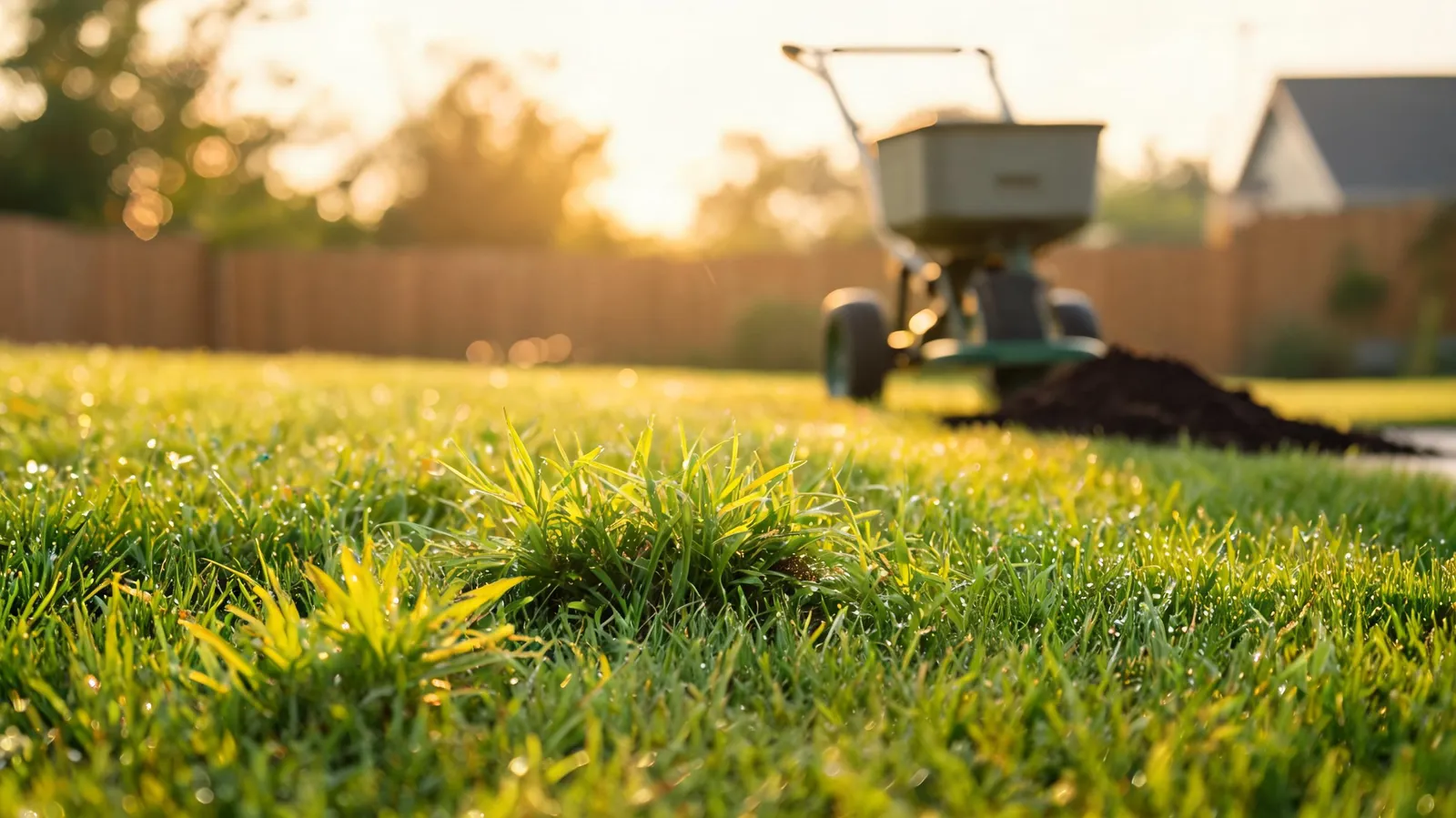
Crabgrass came up anyway because you almost certainly applied your pre-emergent based on the calendar instead of the soil. That's the number one reason these products fail. Pre-emergent works by forming a chemical barrier in the top inch of soil that kills weed seeds the moment they sprout. If the barrier isn't down and activated before those seeds wake up, the weeds win. And seeds don't read calendars. They respond to soil temperature.
Let's rank the real reasons your application flopped, from most common to least.
Did you apply your pre-emergent too late?
This is the top cause. Crabgrass seeds germinate once soil temperature hits about 55°F at a 2-inch depth for three to five consecutive days. Apply after that window and the barrier goes down behind the seeds that already sprouted. Nothing stops them now.
Here's the trap. Air temperature and soil temperature aren't the same thing. Soil lags. You feel a warm 70°F afternoon in mid-March and think you've got weeks left, but a south-facing slope or a strip along the driveway can be pushing 55°F soil while the rest of the yard is cooler. Those hot spots are usually where the crabgrass shows up first.
University turf programs peg 55°F as the trigger, and forsythia bloom is the old-timer's signal for the same thing. When those yellow shrubs light up, your soil is close. If you waited until after the forsythia dropped its flowers, you were late.
Is April too late for pre-emergent? It depends entirely on your soil, not the month. In Atlanta, April is often too late because soil crossed 55°F in March. In Minneapolis, April can be early. Check your actual soil temp before deciding.
Can you apply pre-emergent too early?
Yes, and this one surprises people. Pre-emergent doesn't last forever. Most products break down in the soil over 6 to 10 weeks depending on the active ingredient, rate, and rainfall. Put it down in early February in a place where crabgrass doesn't germinate until late April, and the barrier may be half gone by the time the seeds actually sprout.
The result looks identical to applying too late: crabgrass in May and June. But the cause is the opposite. The chemical degraded before it was needed.
This is why a split application beats a single one in most of the country. Put down the first round when soil approaches 50-55°F, then a second round 6 to 8 weeks later. That extends the barrier through the entire germination window, which for crabgrass can stretch from early spring into early summer.
Did you water it in?
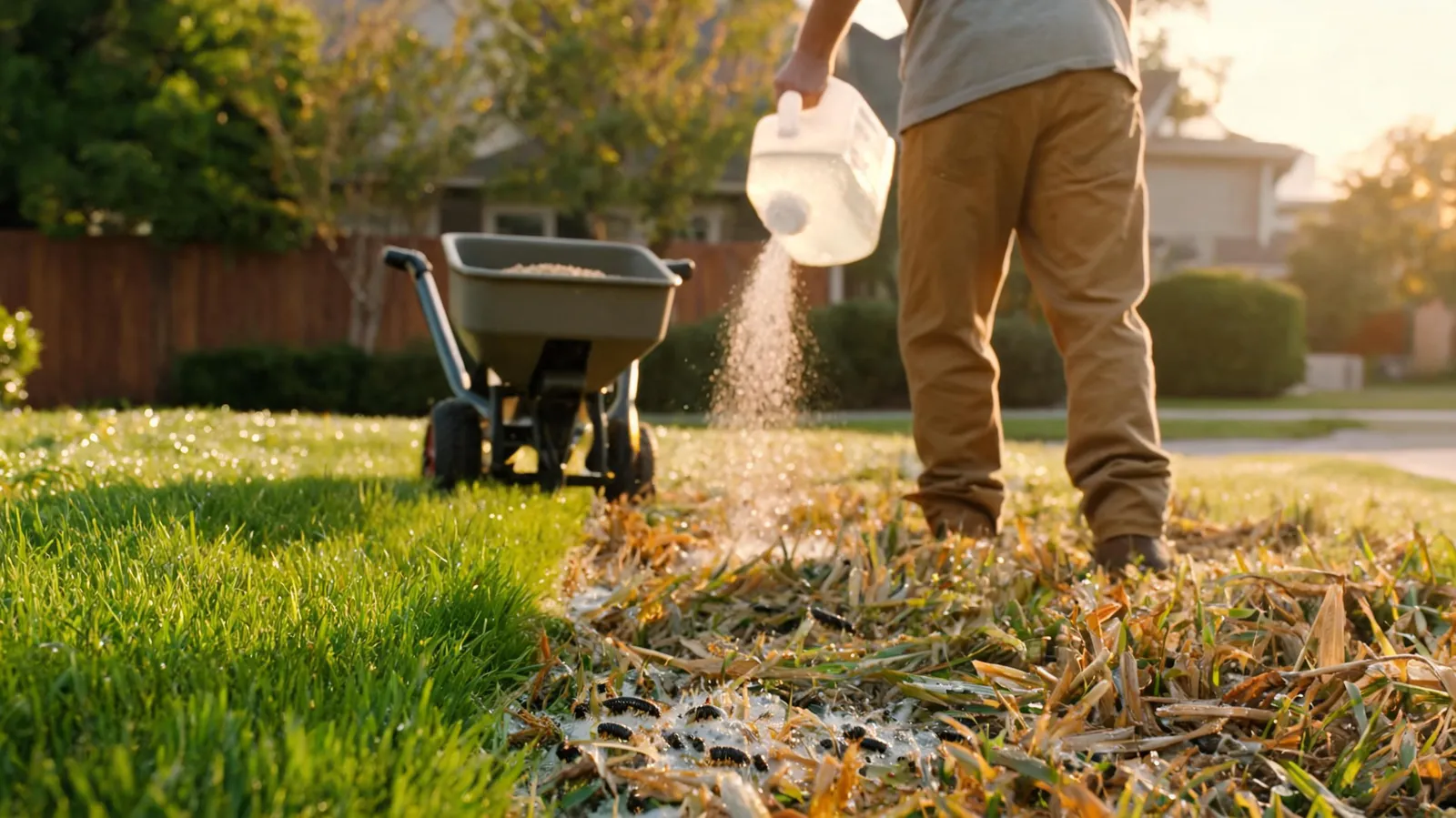
A pre-emergent sitting on top of dry grass does nothing. The granules or spray have to move down into the top inch of soil to form the barrier. That takes about 0.5 inch of water within 10 to 14 days of application. Rain counts. Irrigation counts. Wishful thinking does not.
If you spread it and then had two dry weeks, the product may have degraded in sunlight or blown around before it ever activated. Sprayed liquid formulas are a little more forgiving than granules, but both need that watering-in step. Check the label for the exact window; some products want water within 24 hours.
Note: Don't confuse watering-in with heavy irrigation. More than an inch of water, or a hard storm right after application, can push the product too deep or wash it off slopes and out of the zone where seeds germinate.
Was your rate or coverage wrong?
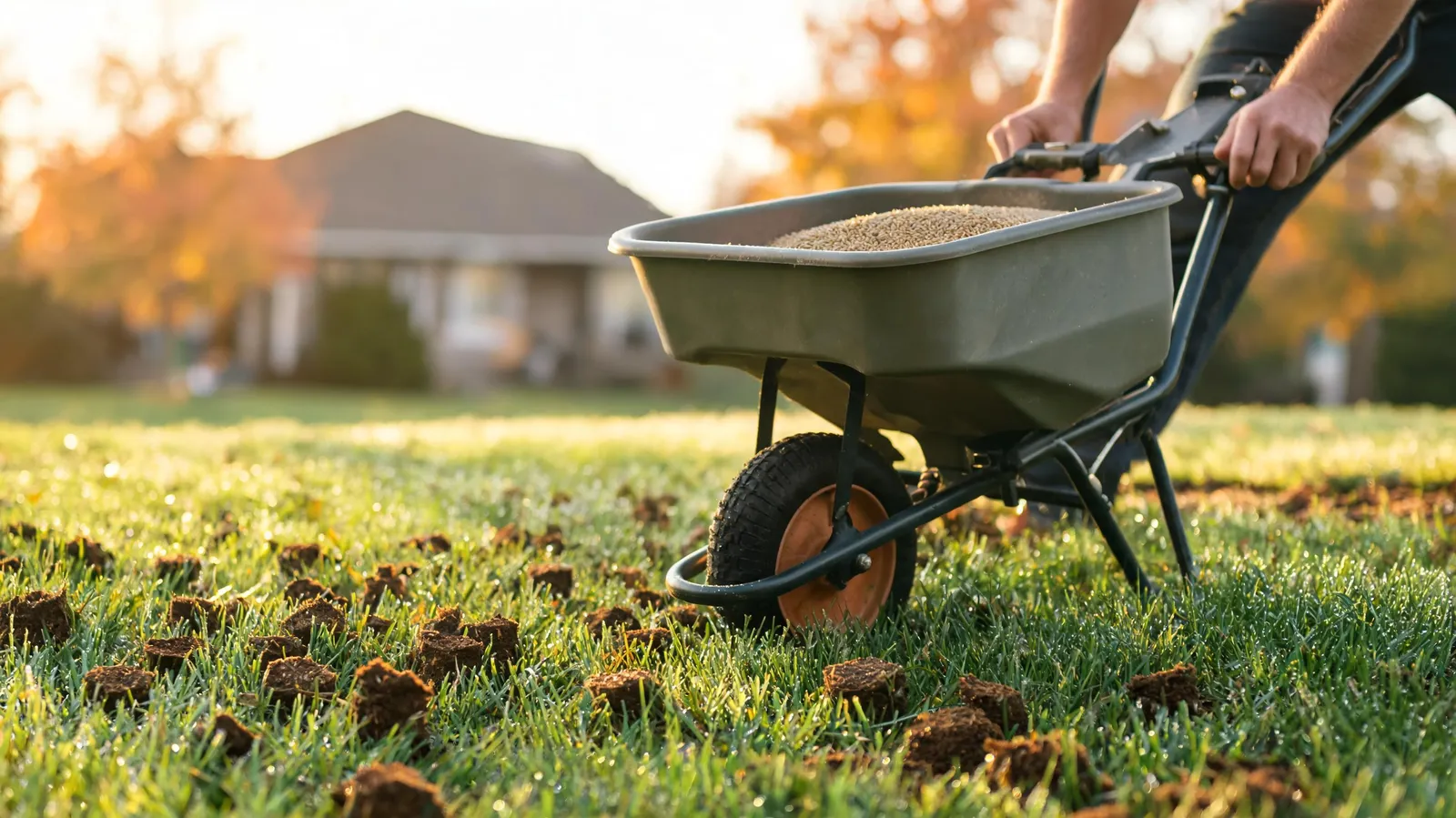
The last common failure is application itself. Skip-and-miss spreader passes leave gaps in the barrier, and crabgrass finds every one. So does a rate set too low. A barrier that's too thin breaks down faster and leaks weeds.
Common coverage mistakes:
- Walking too fast so the spreader drops light
- Setting the spreader dial by guess instead of the label chart
- Not overlapping passes, leaving thin stripes
- Only treating the lawn body and skipping edges along beds, drives, and sidewalks where crabgrass thrives
- Using leftover product from two seasons ago that's lost potency
Weeds a spring pre-emergent should stop when timed and applied right:
- Crabgrass (smooth and large)
- Goosegrass (germinates later, needs warmer soil near 60-65°F)
- Foxtail
- Barnyardgrass
- Annual bluegrass, or Poa annua (this one germinates in fall, so a spring app won't touch it)
- Spurge and some annual broadleaf weeds
When should you apply pre-emergent in your region?
Soil temperature is the real answer, but here's a regional starting point for the first spring application. Treat these as windows to start watching your soil, not hard dates.
| Region | Typical first-application window | Soil-temp trigger to watch |
|---|---|---|
| Southeast | Late Feb - mid March | 52-55°F at 2 in |
| Southwest | Feb - March (varies by elevation) | 52-55°F at 2 in |
| Midwest | Mid March - mid April | 52-55°F at 2 in |
| Northeast | Late March - late April | 52-55°F at 2 in |
| Northwest | Late March - late April | 52-55°F at 2 in |
Note: In Florida, South Texas, and Hawaii, warm soil means crabgrass can germinate nearly year-round, so timing leans earlier and split applications matter more. At high elevation in Colorado or the Rockies, soil warms weeks later than the valley towns nearby, so ignore the calendar entirely.
Here's the practical move. If you're in Columbus and it's the last week of March, your soil is usually creeping toward the mid-40s and you've got a week or two of runway. If you're in Raleigh that same week, you may already be at 55°F and behind. Same date, opposite situation.
How do I know my soil temperature?
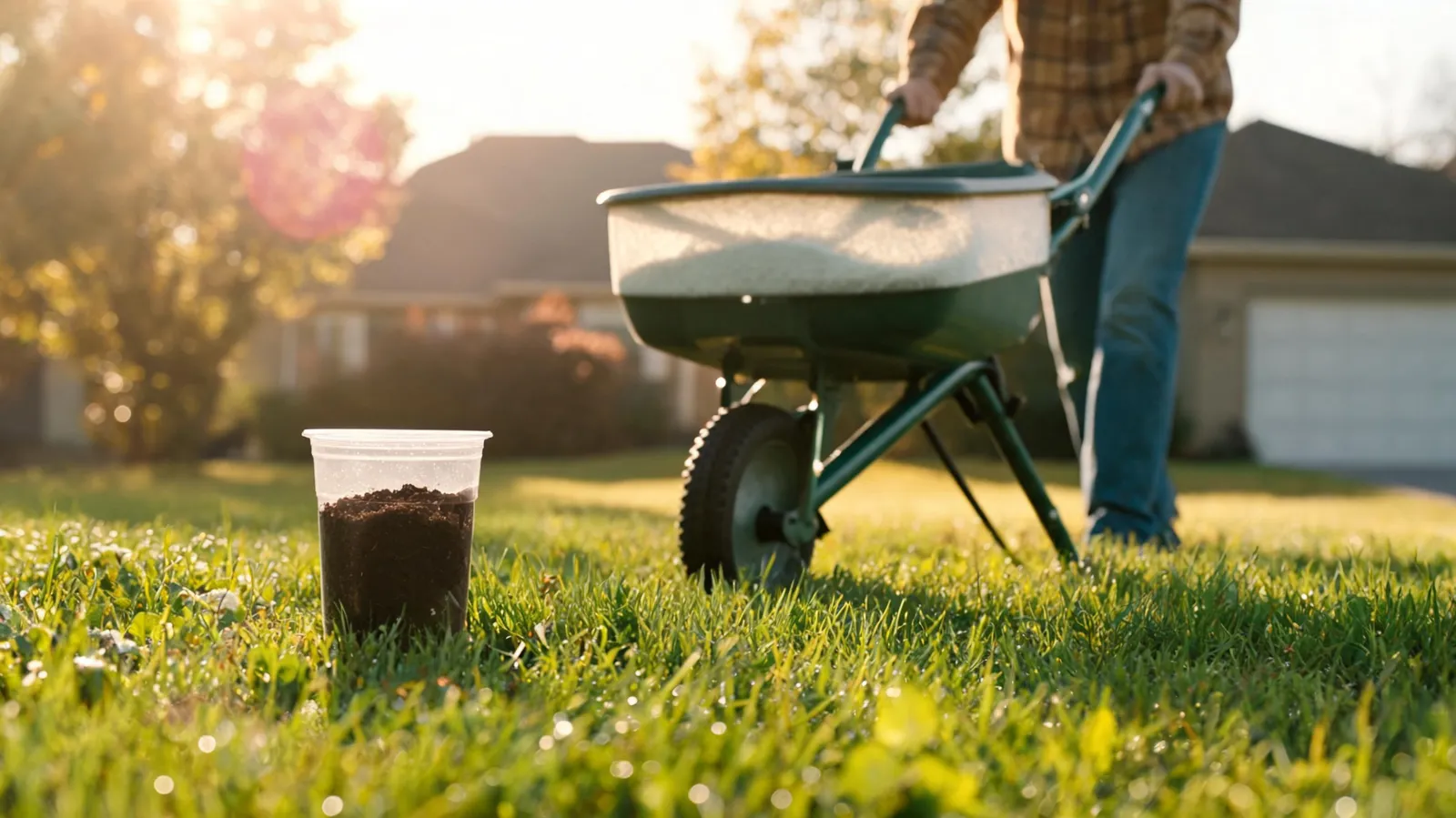
Stick a soil thermometer 2 inches down in a sunny part of the yard, mid-morning, for a few days running. You're watching for that 55°F mark to hold for three to five days. That's your last-call signal for crabgrass pre-emergent.
If you don't want to babysit a thermometer, LawnTide tracks live soil temperature for your exact ZIP code so you know the week to apply. Check yours at https://www.lawntide.com/lawn.
Get the timing right and the other problems mostly solve themselves. Barrier down before 55°F, watered in with a half inch, spread at label rate, and reinforced with a second round six weeks later. That's a clean lawn through June.
FAQ
Can I apply pre-emergent after crabgrass has already sprouted?
No. Pre-emergent only stops seeds as they germinate; it has no effect on plants that are already up. Once you see crabgrass, you need a post-emergent product labeled for it, and you should plan your pre-emergent earlier next year based on soil temperature.
How long does pre-emergent last in the soil?
Most products stay active for roughly 6 to 10 weeks, depending on the active ingredient, the rate you applied, and how much rain you get. That's why a single early application often runs out before crabgrass season ends, and why a split application spaced 6 to 8 weeks apart gives better full-season control.
Do I need to water in pre-emergent if rain is coming?
Rain counts as watering-in as long as you get about 0.5 inch within 10 to 14 days of applying. If a light rain is forecast in that window, you're covered. If it's going to stay dry, run your irrigation to move the product into the top inch of soil where it forms the barrier.
Why did crabgrass come back even though I applied on time?
Usually it's a coverage gap, a rate that was too low, or product that broke down before the full germination window closed. Edges along driveways and sidewalks warm up first and often get missed. A second application six to eight weeks after the first covers late-germinating seeds those hot strips produce.
Stop guessing the timing — we'll watch your soil for you.
See your live soil temperature and this year's treatment windows for your ZIP, free.
Or get free email alerts — one plain-English email the week each task is due.
Every guide above comes down to your local soil temperature — see the live number and this year's windows for your city: