Guides · By LawnTide · Updated October 30, 2026 · 7 min read
When Does Grass Go Dormant? Soil Temperatures for Cool- and Warm-Season Lawns
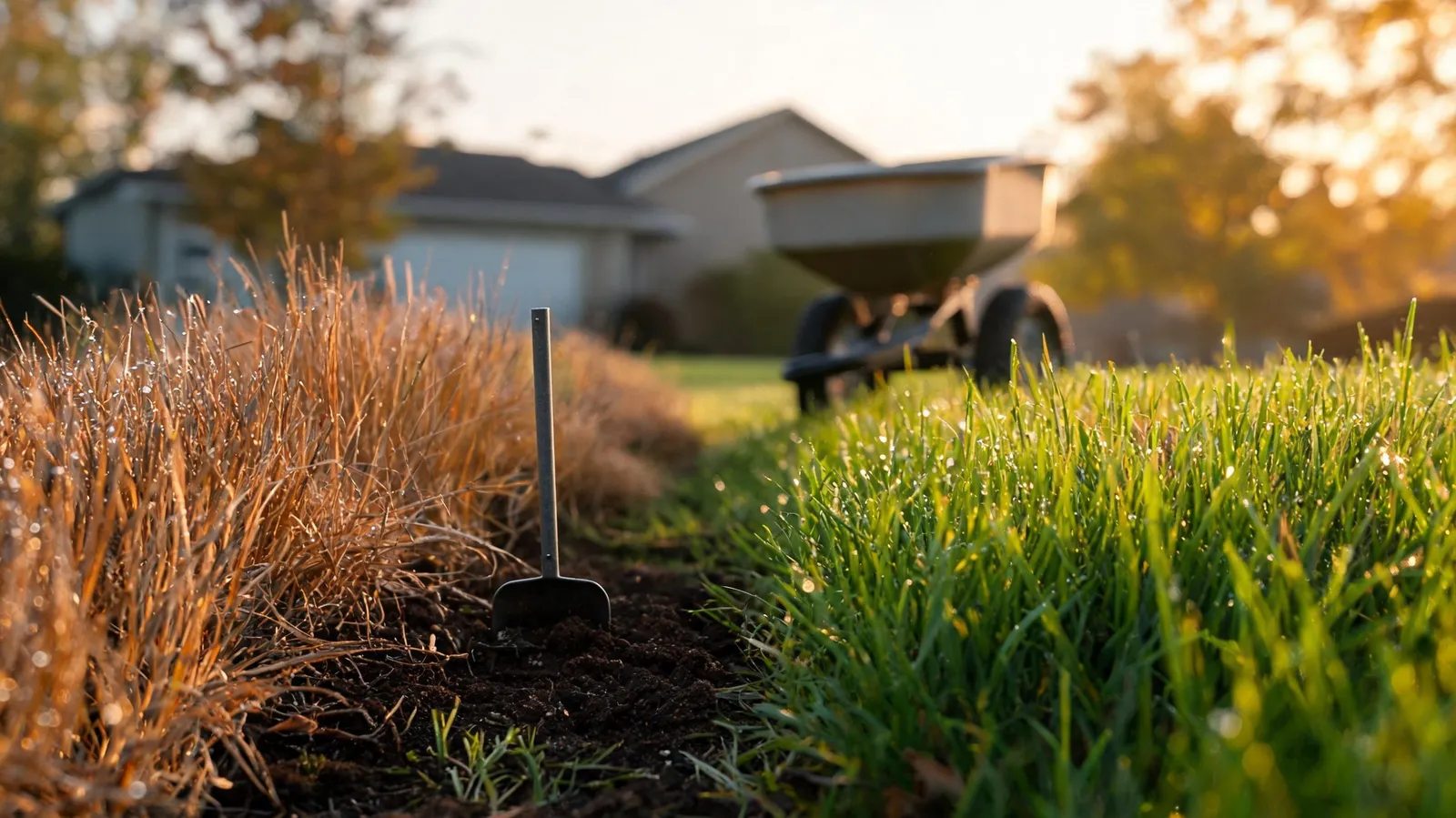
Grass goes dormant when soil temperature crosses the line its roots can't work past. For warm-season lawns, that's around 55°F and falling. For cool-season lawns, growth stalls below 45°F but the blades usually stay green. Dormancy isn't death. It's the plant pulling resources into the crown and roots and waiting out weather it can't grow in.
Soil temperature runs the whole show, not air temperature. A warm afternoon in November doesn't wake up Bermuda if the ground is sitting at 50°F. You can check the live soil temperature for your ZIP at https://www.lawntide.com/lawn before you make any call on timing.
What soil temperature makes grass go dormant?
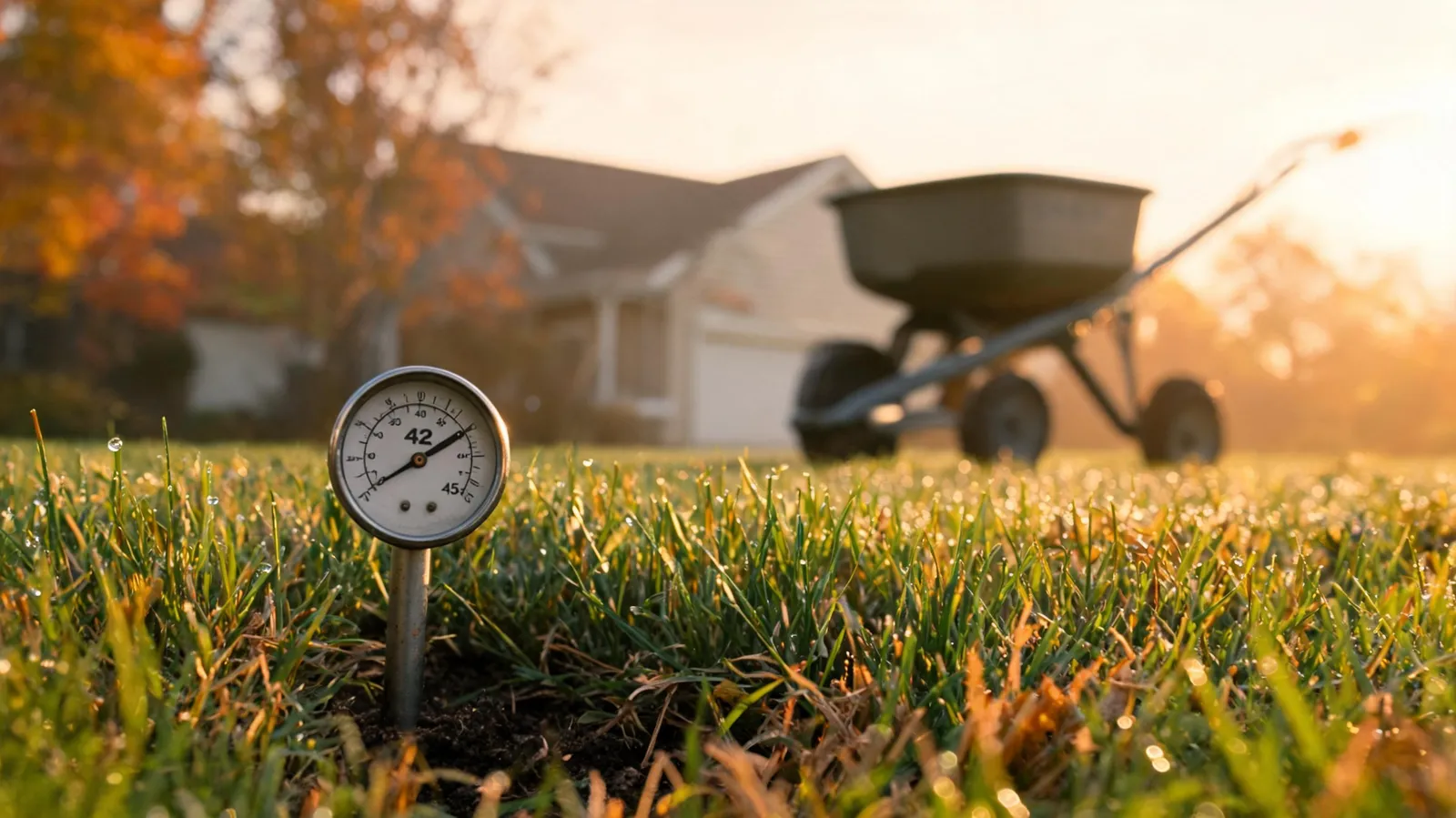
Warm-season grass browns below about 55°F soil. Cool-season grass slows below 45°F but holds its color. Those two numbers, measured at 2 inches deep, decide when your lawn checks out for the season. Air temperature swings too much to trust.
Here's the split by grass type. Warm-season turf evolved for heat and shuts down fast in cold. Cool-season turf keeps photosynthesizing at temperatures that would brown out Bermuda in a week.
| Grass type | Examples | Dormancy trigger (2-in. soil temp) | Winter color |
|---|---|---|---|
| Warm-season | Bermuda, zoysia, St. Augustine, centipede, Bahia | Below ~55°F and dropping | Browns out, tan/straw |
| Cool-season | Tall fescue, Kentucky bluegrass, perennial rye | Growth slows below 45°F | Stays green most winters |
If you're in Atlanta and your Bermuda is tan by mid-November, that's normal. If you're in Minneapolis and your fescue is still green under December frost, that's also normal. Same season, two completely different responses, both driven by what the ground is doing.
Does frost cause dormancy? No. Frost burns the tips and can speed up the browning you'd see anyway, but the dormancy signal is sustained cold soil, not a single frosty morning. A hard frost on green fescue does little lasting harm.
When do warm-season lawns go dormant?
Warm-season lawns start browning when soil holds below 55°F for several days, usually after the first couple of hard frosts. Full dormancy and that straw-brown color set in as soil drops into the upper 40s. Across most of the South, that lands between late October and early December.
Bermuda is the quickest to brown and the last to green up in spring. Zoysia browns a touch later and holds a little color longer. St. Augustine and centipede sit in between but are far more cold-sensitive, which is why a deep freeze can injure them instead of just pushing them dormant.
Regional timing for warm-season browning:
- Southeast (Georgia, Carolinas, Tennessee): soil hits 55°F late October to mid-November. Lawns are fully tan by Thanksgiving.
- Southwest (Texas, Arizona, New Mexico): Dallas browns in November; Phoenix and the low desert may barely go dormant and often get overseeded with ryegrass for winter green.
- Transition zone (Oklahoma, Arkansas, Virginia): dormancy comes earlier and lasts longer, often late October through March.
Note: In Florida and coastal Gulf areas, soil often never drops below 55°F, so St. Augustine and Bahia stay green or semi-green all winter. These lawns may slow down without ever fully browning.
When do cool-season lawns go dormant?
Cool-season grass slows below 45°F soil and effectively stops growing near freezing, but it stays green through most northern winters. True dormancy only shows up in extended deep cold or under long snow cover. More often these lawns just sit green and idle, waiting for spring.
That's the big difference homeowners miss. A fescue or bluegrass lawn in Columbus can look green in January and still be dormant in the sense that it isn't growing, isn't using nitrogen, and won't respond to anything you feed it. Green doesn't mean actively growing.
Cool-season lawns actually run a second dormancy in summer. When soil climbs past 85°F and rain gets scarce, tall fescue and bluegrass brown out to survive the heat. That's summer dormancy, and it's the mirror image of what warm-season grass does in winter.
Regional timing for cool-season slowdown:
- Northeast (New York, Pennsylvania, New England): growth stalls by late November as soil drops below 45°F.
- Midwest (Ohio, Illinois, Michigan): similar timing, late November into December, with snow cover often insulating green turf.
- Northwest (Oregon, Washington, Idaho): mild wet winters west of the Cascades keep grass green and barely dormant; it may grow slowly on warm spells.
Note: At high elevation in the Rockies or Sierra, snow cover arrives early and grass can sit dormant under snow from October through April regardless of the calendar.
Dormant or dead? How to tell
Tug test first. Grab a handful of brown grass and pull. Dormant grass resists and stays rooted. Dead grass lifts out with no fight. Then check the crown, the white nub at the base of each plant. A firm, off-white crown means the plant is alive and waiting. Mushy or brown-through means that spot is gone.
Water test backs it up. Give a suspect patch water over a week or two during mild weather. Dormant grass greens from the crown. Dead grass does nothing. The whole-lawn-brown look in winter is almost always dormancy, not death.
Watch for these real problem signs that aren't dormancy:
- Distinct patches or rings while the rest stays uniform, which points to fungus or grub damage.
- Grass that peels up like carpet in late summer, a classic grub signature.
- Dead strips along driveways and walks from salt or de-icer, not cold.
What still works during dormancy?
Plenty works while grass sleeps, because some jobs target the soil or weed seeds, not the grass itself. Pre-emergent herbicide, lime, and dormant seeding all have their window in the off-season. The jobs that fail are the ones that need the grass actively growing to take them up.
What still works:
- Pre-emergent herbicide. Fall and late-winter applications stop weed seeds before they sprout and don't depend on your turf growing. Timing is tied to soil temperature, not grass color.
- Lime and soil amendments. Lime takes months to change pH, so applying it over dormant turf in fall or winter is fine and even ideal.
- Dormant seeding (cool-season only). Spreading seed on frozen or near-freezing ground so it germinates the second spring arrives.
- Light foot-traffic management. Avoid walking frosted or frozen dormant grass, which can crack the blades.
What's wasted or harmful during dormancy:
- Fertilizer. Dormant grass can't use nitrogen. It leaches away or feeds weeds. Wait until soil warms back above the growth threshold.
- New seed meant to germinate now. Below 50°F soil, cool-season seed just sits. Warm-season seed needs 65°F-plus and won't move at all.
- Post-emergent weed control on the lawn. Many products need actively growing plants to work and can stress dormant turf.
- Heavy mowing or dethatching. Save the hard work for green, growing grass.
Is it okay to apply pre-emergent to brown dormant Bermuda? Yes. Pre-emergent works on weed seeds in the soil, so your Bermuda being tan makes no difference. Just match the timing to soil temperature. For crabgrass, that's when soil approaches 55°F in spring.
FAQ
How long does grass stay dormant?
Warm-season lawns typically stay dormant through winter until spring soil climbs back above 60-65°F, often three to five months in the South. Cool-season lawns rarely go fully dormant in winter and green up fast once soil passes 45°F. Summer dormancy in cool-season grass usually lasts a few weeks until heat breaks and rain returns.
Should I water my lawn when it's dormant?
A little, yes. Dormant grass still needs some moisture to keep the crown and roots alive, especially during a dry winter or an extended summer dry spell. Roughly a half inch every two to three weeks is plenty. You're keeping it alive, not trying to grow it, so don't overdo it.
Can I mow dormant grass?
You can give brown winter turf one clean-up mow, but skip routine mowing until it greens and grows. Never mow frosted or frozen grass, since the brittle blades crack and the crowns bruise. For summer-dormant cool-season lawns, raise the mower and cut as little as possible until growth resumes.
Why is my neighbor's lawn green when mine is brown?
Different grass type. A green winter lawn next to your brown one almost always means they have cool-season grass (fescue or bluegrass) or an overseeded winter ryegrass, while yours is warm-season Bermuda or zoysia that browns below 55°F soil. Both are healthy for their type.
Stop guessing the timing — we'll watch your soil for you.
See your live soil temperature and this year's treatment windows for your ZIP, free.
Or get free email alerts — one plain-English email the week each task is due.
Every guide above comes down to your local soil temperature — see the live number and this year's windows for your city: