Guides · By LawnTide · Updated July 13, 2026 · 7 min read
Is It Too Late to Apply Pre-Emergent? A Soil-Temperature Answer
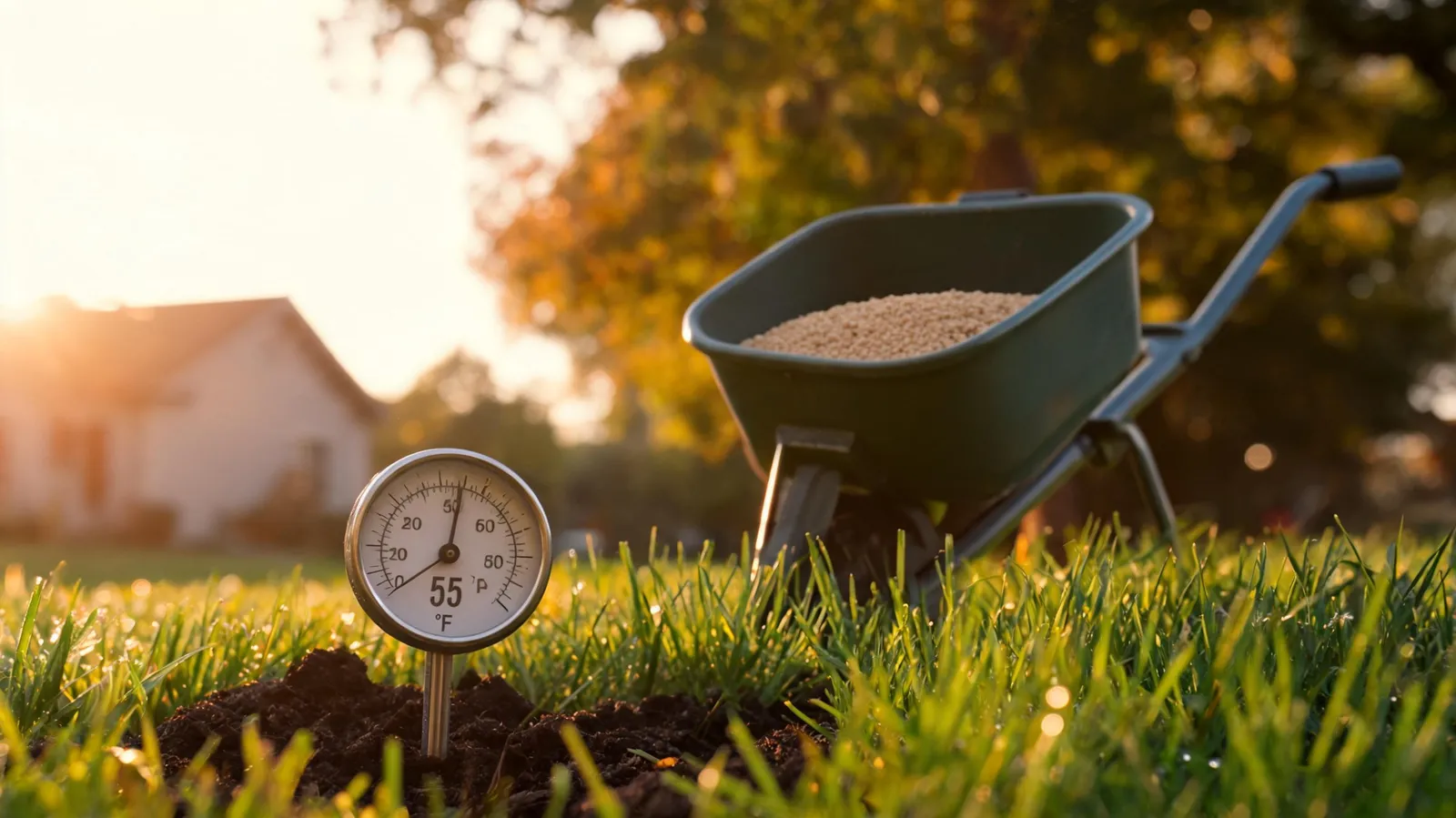
Pre-emergent stops working the moment weed seeds sprout, so the real deadline is soil temperature, not a date on the calendar. For spring crabgrass, you've got until the soil at 2 inches deep holds 55°F for three to five straight days. Miss that by much and the seeds are already germinating - the barrier goes down after the enemy has crossed the line.
Most "is it too late" advice hands you a month and calls it a day. That's useless. April 10 in Atlanta and April 10 in Minneapolis are two completely different lawns. The seed doesn't read the calendar. It reads the dirt.
What soil temperature makes pre-emergent too late?
Once soil at 2 inches crosses 60 to 62°F, spring crabgrass is germinating fast and pre-emergent can't help the seeds already sprouting. The usable window opens around 50°F and closes near 55°F - that's your target for laying the barrier down.
Here's the math nobody explains. Pre-emergent doesn't kill seeds. It creates a thin chemical layer in the top inch of soil that stops the tiny root of a sprouting seed. If the root already pushed through - because germination started at 55°F - the product misses it entirely. Germination isn't a switch. It's a curve:
| Soil temp at 2" (5-day avg) | Crabgrass germination | Pre-emergent call |
|---|---|---|
| Below 50°F | Near zero | Early, but fine |
| 50-54°F | Just beginning | Ideal window |
| 55-57°F | Ramping up fast | Last call - go now |
| 58-62°F | Well underway | Too late for prevention |
| Above 62°F | Mostly done | Switch to post-emergent |
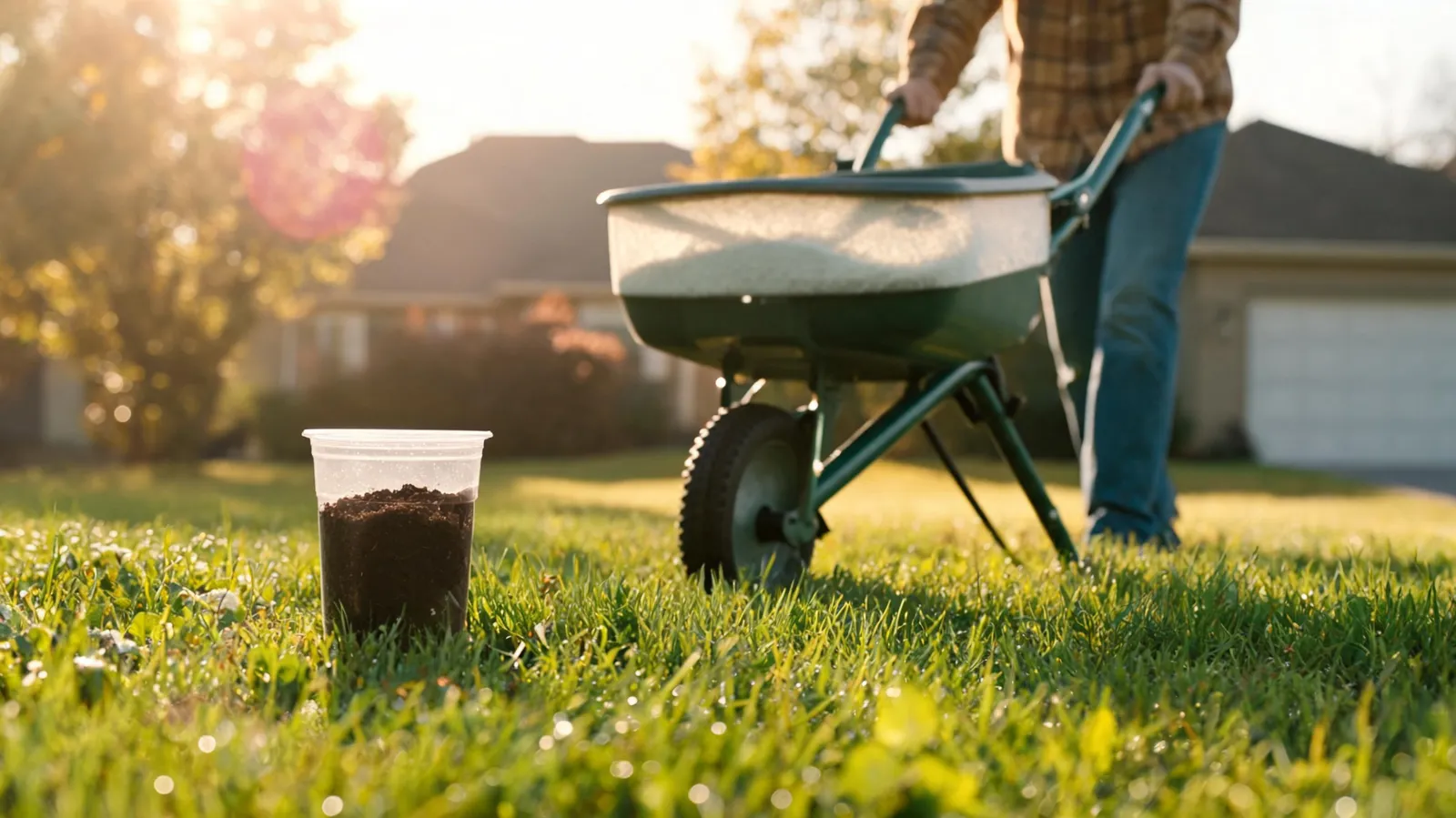
You can pull the live soil temperature for your exact ZIP at https://www.lawntide.com/lawn, which beats guessing off the air temperature - soil lags the air by days and holds warmth overnight.
Does a warm week in February mean I should apply? No. One warm spell doesn't count. You need a sustained five-day average at 2 inches, and February soil almost always drops back down. Apply too early and the barrier can break down before the real germination window arrives.
When is the spring pre-emergent window by region?
Spring pre-emergent goes down as soil climbs from 50 to 55°F, which sweeps across the country from late February in the Deep South to mid-May in the northern tier. Forsythia dropping its yellow blooms is the classic backyard signal that you're right at the edge.
- Southeast: Late February through mid-March. If you're in Atlanta or Charlotte around St. Patrick's Day, you're cutting it close.
- Southwest: February in Phoenix and the low desert; March at higher elevations.
- Northwest: Mid-March to mid-April west of the Cascades. Coastal Oregon warms slow and even.
- Midwest: Early to mid-April. Columbus and Indianapolis usually hit the window the first two weeks of April.
- Northeast: Mid-April into early May. Boston and upstate New York are often the first week of May.
Note: Florida, coastal Texas, and Hawaii soils can stay warm enough that weeds germinate nearly year-round. In those spots a single spring date won't cover you - split applications matter more than timing one perfect shot.
Want the barrier to last the whole germination window? Split it. Put down half the season's coverage at the 55°F mark and the second round six to eight weeks later. Crabgrass doesn't all sprout on one day - it germinates in waves through early summer, and a single application thins out before the last flush.
What do I do if I already missed the spring window?
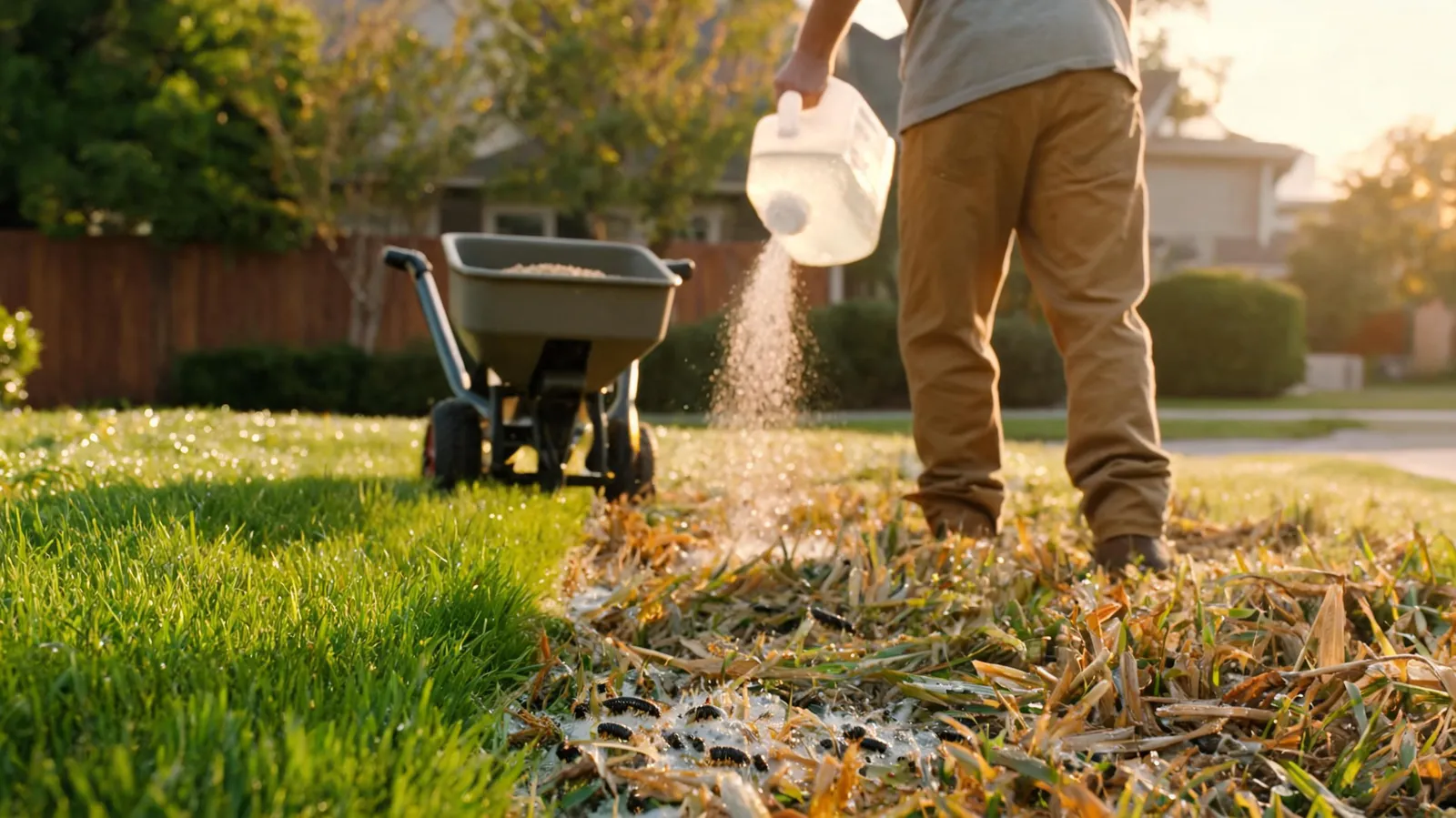
If weeds are already up, stop thinking about pre-emergent - it does nothing to a plant that's already growing. Switch to a post-emergent made for the weed you actually have, and hit it while the weeds are young and small. Timing still matters: young crabgrass dies far easier than a clumped-out August plant.
Walk the lawn and identify what broke through. Different products target different weeds:
- Crabgrass, foxtail, goosegrass - grassy annuals, need a grassy-weed post-emergent (quinclorac is common); read the label for your grass type
- Dandelion, clover, plantain, henbit, chickweed - broadleaf weeds, controlled by a three-way broadleaf herbicide
- Nutsedge - not a true grass or broadleaf; needs a sedge-specific product
- Poa annua - tough once established; often easier to prevent in fall than kill in spring
A few ground rules. Spray when weeds are small and actively growing, not baking in 90°F heat - most labels warn against application above a certain temperature because it can scorch your good grass. And don't apply post-emergent to a lawn you seeded this spring until it's been mowed a few times. The label spells out the wait.
Is it worth applying pre-emergent late anyway? Sometimes. If soil is at 58°F but you know a second germination wave is coming, a late application still blocks the seeds that haven't sprouted yet. You've lost the early flush, but you'll catch the back half. Pair it with a post-emergent for what's already up.
When should I apply fall pre-emergent?
Fall pre-emergent goes down as soil cools through 70°F, usually late August into October depending on region. This round targets winter annuals - Poa annua, henbit, chickweed - that germinate in cooling soil and then explode the following spring. Miss it and you're fighting Poa all winter.
The fall trigger is the mirror image of spring. Instead of watching soil warm past 55°F, you're watching it drop toward 70°F on the way down. Poa annua in particular germinates hard as nights cool off.
- Southeast & Southwest: Late September into October.
- Midwest & Northeast: Late August into mid-September - soil cools earlier up north.
- Northwest: September, with the mild coast running a touch later.
If you're in Columbus over Labor Day weekend and the soil's still reading 74°F, wait a week or two. Jump the gun in fall and the barrier fades before the winter weeds even start. Same principle as spring, flipped.
Note: In the far South and the low desert, winter weeds are the main event, not summer crabgrass. Fall pre-emergent often matters more than the spring pass down there.
How long does pre-emergent stay effective?
Most pre-emergents hold a barrier for 6 to 12 weeks, depending on the active ingredient, rate, and rainfall. Heavy rain and warm soil break it down faster. That's exactly why university turf programs recommend split applications instead of trusting one pass to cover an entire germination season.
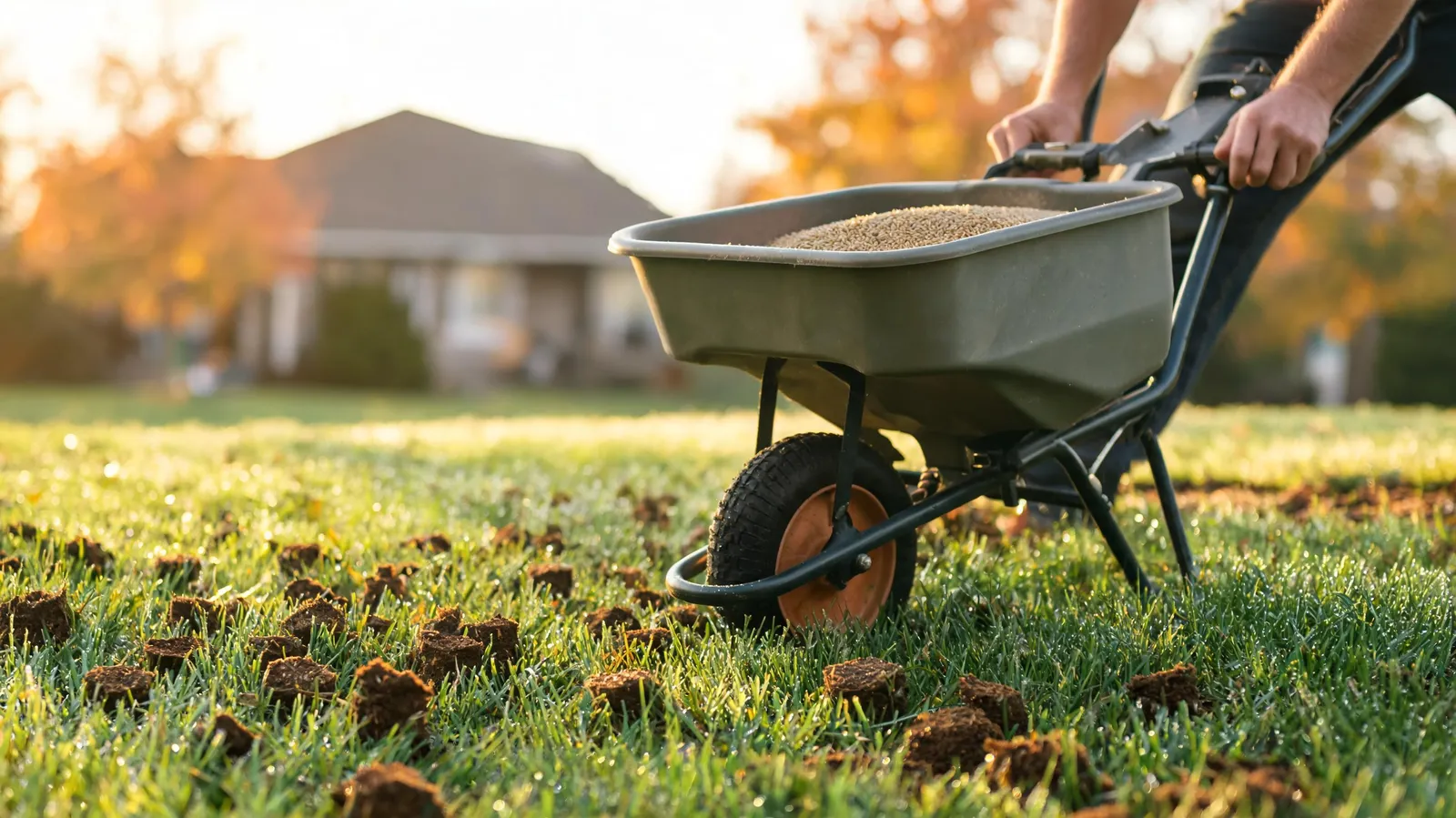
Two things wreck the barrier early: dethatching or aerating after you apply, and letting the soil dry out so the product never activates. Pre-emergent needs about a half-inch of water within a week or so of going down to move into that top inch of soil. Water it in - don't wait on the sky if rain isn't coming.
FAQ
Can I apply pre-emergent and grass seed at the same time?
No. Standard pre-emergent blocks your grass seed from germinating right alongside the weeds - it can't tell the difference. If you're seeding this spring or fall, either skip the pre-emergent in that area or use a product specifically labeled as safe for new seedings. Most homeowners just wait until the new grass has been mowed three or four times before applying.
Does pre-emergent kill existing weeds?
No. Pre-emergent only stops seeds as they sprout. Any weed you can already see is past the point where it helps. For visible weeds you need a post-emergent matched to that weed type, applied while the plant is young and actively growing.
What soil temperature does crabgrass germinate at?
Crabgrass starts germinating when soil at 2 inches deep holds around 55°F for three to five consecutive days, and germination accelerates through the low 60s. That's why pre-emergent should go down while soil is still in the low 50s - before the seeds sprout, not after.
Is one pre-emergent application enough for the whole season?
Usually not. A single application typically protects for 6 to 12 weeks, but crabgrass germinates in waves well into early summer. A split application - the second round 6 to 8 weeks after the first - keeps the barrier intact through the full window instead of thinning out before the last flush of weeds sprouts.
Stop guessing the timing — we'll watch your soil for you.
See your live soil temperature and this year's treatment windows for your ZIP, free.
Or get free email alerts — one plain-English email the week each task is due.
Every guide above comes down to your local soil temperature — see the live number and this year's windows for your city: