Guides · By LawnTide · Updated July 22, 2026 · 7 min read
When to Apply Fall Pre-Emergent in Georgia
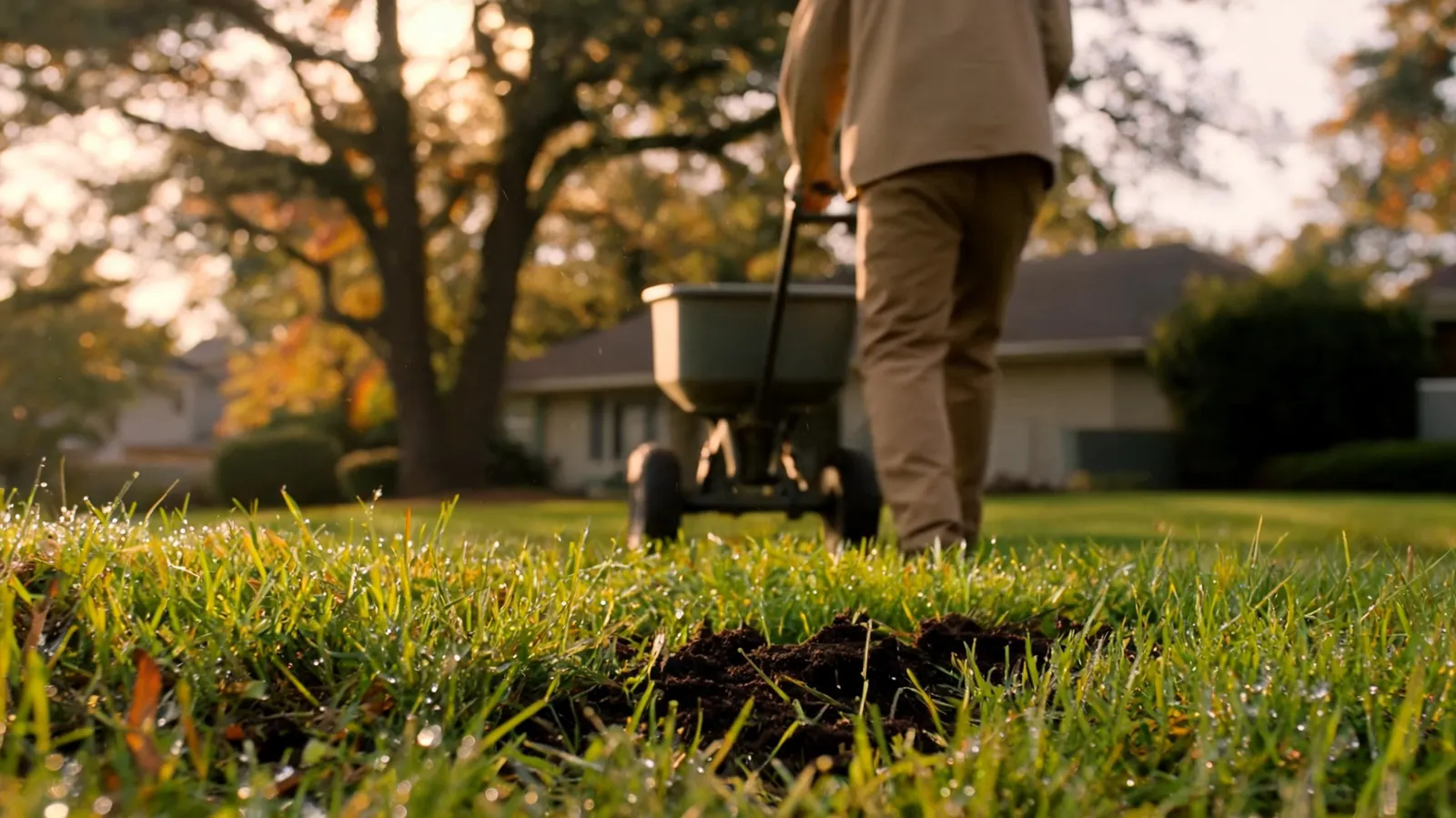
Put down fall pre-emergent in Georgia when your soil temperature at 2 inches drops to 70°F and is falling - that's early to mid September for most of the state. Miss that window and poa annua sneaks through before your barrier is set. This is the single application that decides whether your lawn stays clean all winter or turns into a weedy mess by February.
Georgia sits mostly in warm-season grass country - bermuda, zoysia, centipede, St. Augustine. Those lawns go dormant and brown in winter, which is exactly when winter weeds show up green and obvious. Fall pre-emergent stops that.
What soil temperature triggers fall pre-emergent in Georgia?
Apply when soil temp at 2 inches hits 70°F and is trending down. Poa annua (annual bluegrass) germinates as soil cools through the low 70s into the 60s. Your pre-emergent barrier has to be in the ground before that happens, not the day the weeds sprout.
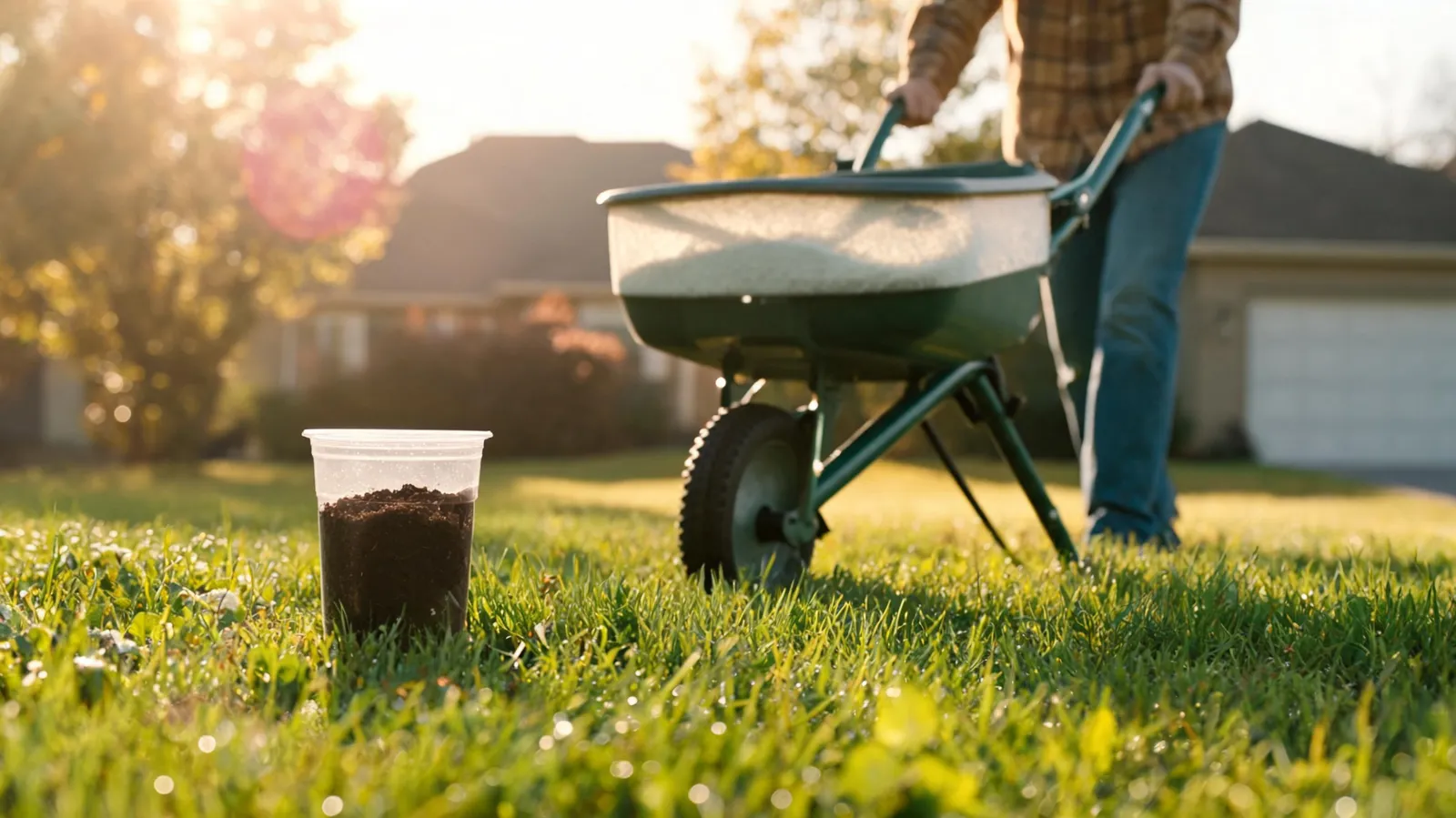
University turf programs across the Southeast use that 70-degrees-and-falling rule for winter annuals. Air temperature lags soil temperature, so don't wait for the first cool morning. By the time it feels like fall on your porch, the soil has already been dropping for a couple weeks. Check the actual number for your ZIP code at https://www.lawntide.com/lawn instead of guessing off the calendar.
Does one application last all fall?
Most pre-emergents give you 8 to 12 weeks of control. A single early-September application covers the main poa annua germination window. If you had heavy weed pressure last year, a lighter second application in late October or early November extends the barrier through late-germinating flushes. Check the product label for the reapplication interval.
When should I apply fall pre-emergent by region in Georgia?
Georgia runs cooler in the mountains and warmer toward the coast, so the window shifts a week or two depending on where you live. The North Georgia mountains hit 70°F falling first, usually late August. The coastal plain around Savannah and Valdosta runs latest, sometimes into late September.
| Georgia Region | Cities | Typical Application Window |
|---|---|---|
| North GA mountains | Blue Ridge, Dahlonega, Clayton | Late Aug – early Sep |
| North metro / Piedmont | Atlanta, Marietta, Gainesville | Early – mid Sep |
| Central GA | Macon, Athens, Columbus | Mid Sep |
| South GA | Albany, Tifton, Waycross | Mid – late Sep |
| Coast | Savannah, Brunswick, Valdosta | Mid – late Sep |
If you're in Atlanta and it's the week after Labor Day, you're right in the sweet spot. Down in Valdosta that same week, you've probably got another 10 days before the soil cools enough. These are starting points - a warm, dry September can push everything back a week, so the live soil number always wins over the table.
Note: Coastal south Georgia can stay warm well into October some years. Don't force an early application just because the date arrived. Watch the soil temperature and go when it drops to 70°F.
Which weeds does fall pre-emergent stop in Georgia?
Fall pre-emergent targets winter annual weeds - the ones that germinate in fall, grow through winter, and seed out in spring. Getting the barrier down in September stops them before they ever break the surface. Here's what a fall application controls in Georgia lawns:
- Poa annua (annual bluegrass) - the big one; light-green clumps that seed everywhere
- Henbit - purple flowers, square stems, shows up in late winter
- Common chickweed - low mats of small white flowers
- Annual bluegrass's cousin roughstalk bluegrass in shadier spots
- Lawn burweed (spurweed) - the one with the painful spring stickers
- Wild garlic and wild onion partial suppression
- Corn speedwell and other winter speedwells
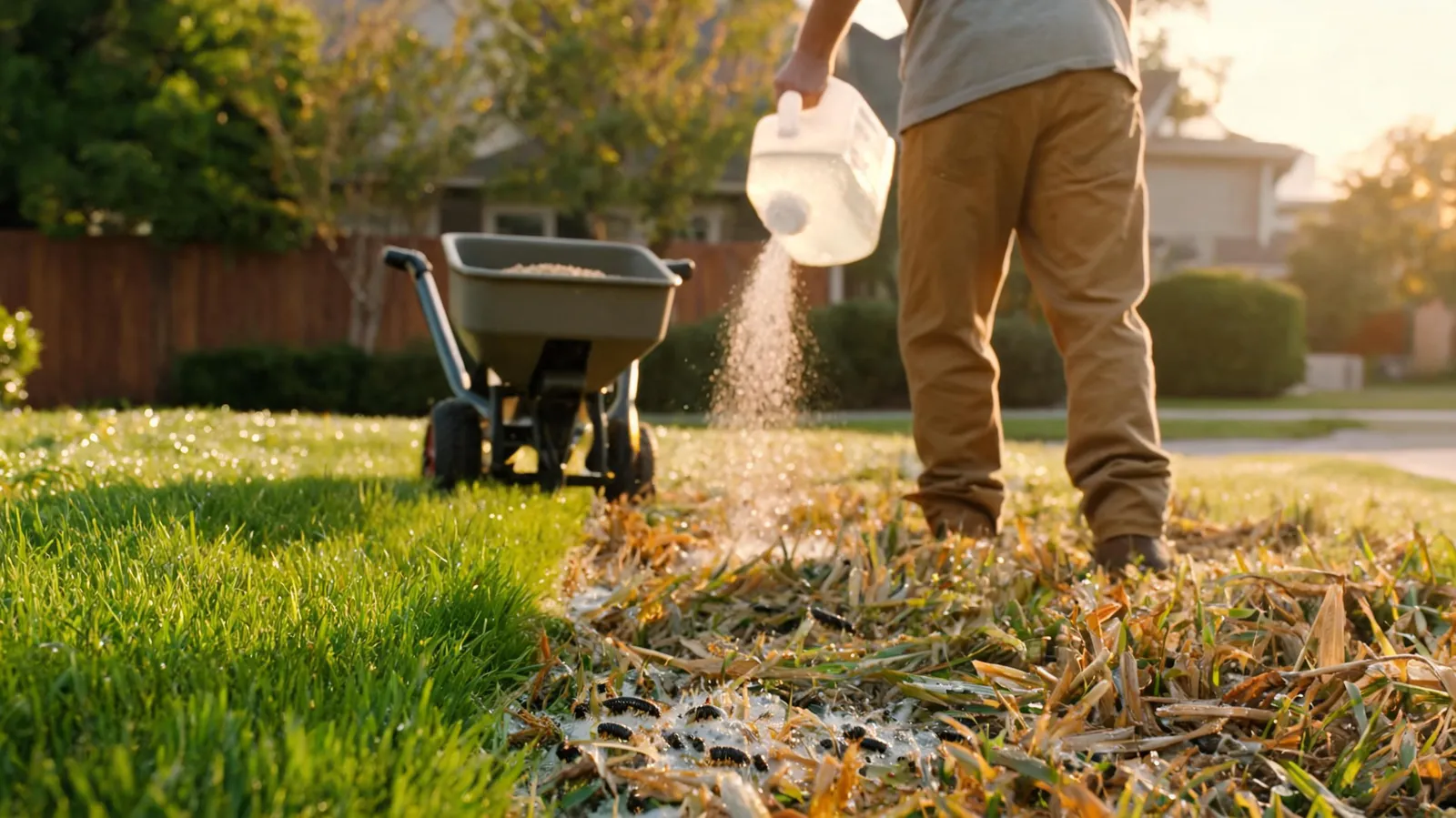
Pre-emergent only stops weeds from seed. It does nothing to weeds already growing. If henbit or chickweed is already up when you spray, you need a post-emergent for those and a pre-emergent for what hasn't germinated yet.
Can I use fall pre-emergent if I'm overseeding fescue in North Georgia?
No - and this trips up a lot of North Georgia homeowners. Pre-emergent can't tell the difference between a poa annua seed and a fescue seed. It blocks both. If you're overseeding tall fescue in the Atlanta metro or the mountains, a fall pre-emergent will wreck your germination.
Tall fescue is common in North Georgia because it stays green through winter and handles shade better than bermuda. Overseeding season for fescue is roughly mid-September through mid-October - the exact same window as pre-emergent. You can't do both.
Here's how to handle it:
- If you're overseeding fescue this fall: skip the pre-emergent. Plan on hand-pulling or spot-treating winter weeds instead, and put your pre-emergent program back in place next year once the new grass is established.
- If your fescue lawn is already thick and established: you don't need to overseed every year. In an off year, apply pre-emergent on your normal September schedule.
- Mesotrione is the exception: it's a pre-emergent labeled for use at fescue seeding because new fescue tolerates it. It won't stop poa annua as broadly as other products, but it lets you get some pre-emergent activity while establishing seed. Follow the label.
Bermuda, zoysia, and centipede lawns don't have this conflict - those spread on their own and you're not seeding them in fall. Apply pre-emergent freely on warm-season turf.
How do I apply fall pre-emergent correctly?
Spread it evenly, then water it in with about a quarter to a half inch of irrigation within 24 hours. Pre-emergent has to move down into the top layer of soil to form the barrier. Left dry on the surface, it does nothing. A granular product on a broadcast spreader is the easiest way for most homeowners to get even coverage.
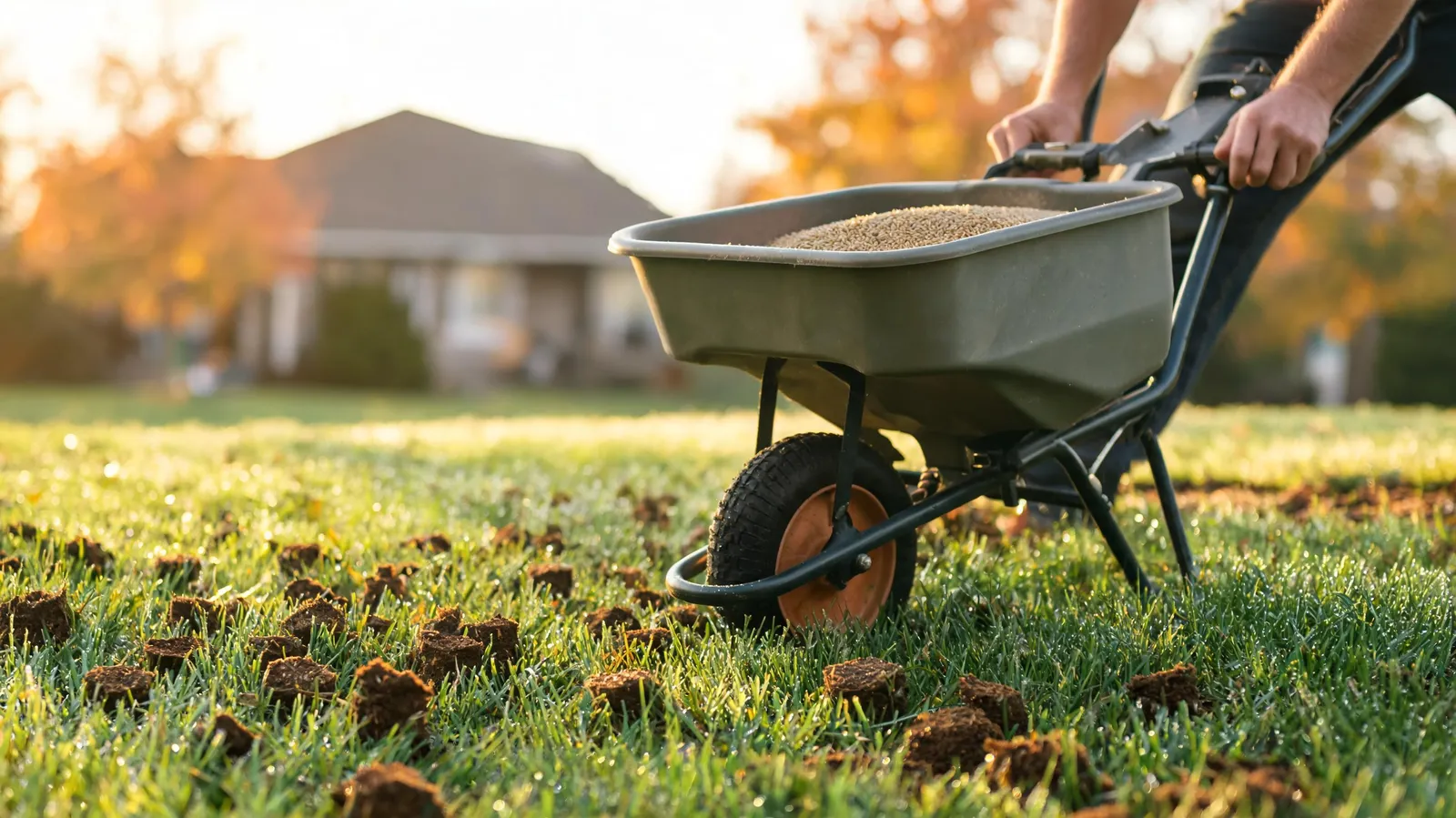
Mow before you apply so the granules reach the soil instead of sitting on leaf blades. Don't aerate or dethatch after applying - punching holes through the barrier lets weeds germinate in the gaps. Do any aeration first, then apply pre-emergent, then water it in.
What if it rains right after I apply?
Light rain is a bonus - it waters the product in for you. A heavy downpour that causes runoff before the granules dissolve can wash product off slopes and pool it in low spots. If you get a gully-washer within an hour of applying, check for washed-out areas and spot-treat if needed.
FAQ
Is October too late for fall pre-emergent in Georgia?
Early October still works in central and south Georgia, especially in a warm year when the soil hasn't dropped much. By mid-to-late October in North Georgia, a lot of poa annua has already germinated, and pre-emergent won't touch weeds that are already up. If you're running that late, check your soil temperature - if it's still above the mid-60s, apply now and consider a post-emergent for anything already showing.
Can I apply fall pre-emergent on a new sod lawn?
Wait until sod has rooted down, usually about 60 days or after it survives its first mowing without lifting. Pre-emergent won't hurt established sod roots, but freshly laid sod that hasn't knitted in can be stressed. New seed is a different story - never put standard pre-emergent on newly seeded areas.
Do I need fall pre-emergent if I already did a spring application?
Yes. Spring pre-emergent targets summer weeds like crabgrass and fades out by late summer. It offers no protection against poa annua and other winter annuals that germinate in September. Fall is a separate application aimed at a completely different set of weeds. Skipping it means a green weedy lawn all winter while your bermuda is dormant.
Will fall pre-emergent hurt my dormant bermuda?
No. Warm-season grasses like bermuda, zoysia, and centipede tolerate pre-emergent well, whether they're actively growing or heading into dormancy. The barrier sits in the soil and only affects germinating seeds, not established grass roots. This is why fall pre-emergent is standard practice on Georgia warm-season lawns.
Stop guessing the timing — we'll watch your soil for you.
See your live soil temperature and this year's treatment windows for your ZIP, free.
Or get free email alerts — one plain-English email the week each task is due.
Every guide above comes down to your local soil temperature — see the live number and this year's windows for your city: