Guides · By LawnTide · Updated July 29, 2026 · 7 min read
Crabgrass Germination Temperature: The 55°F Rule Explained
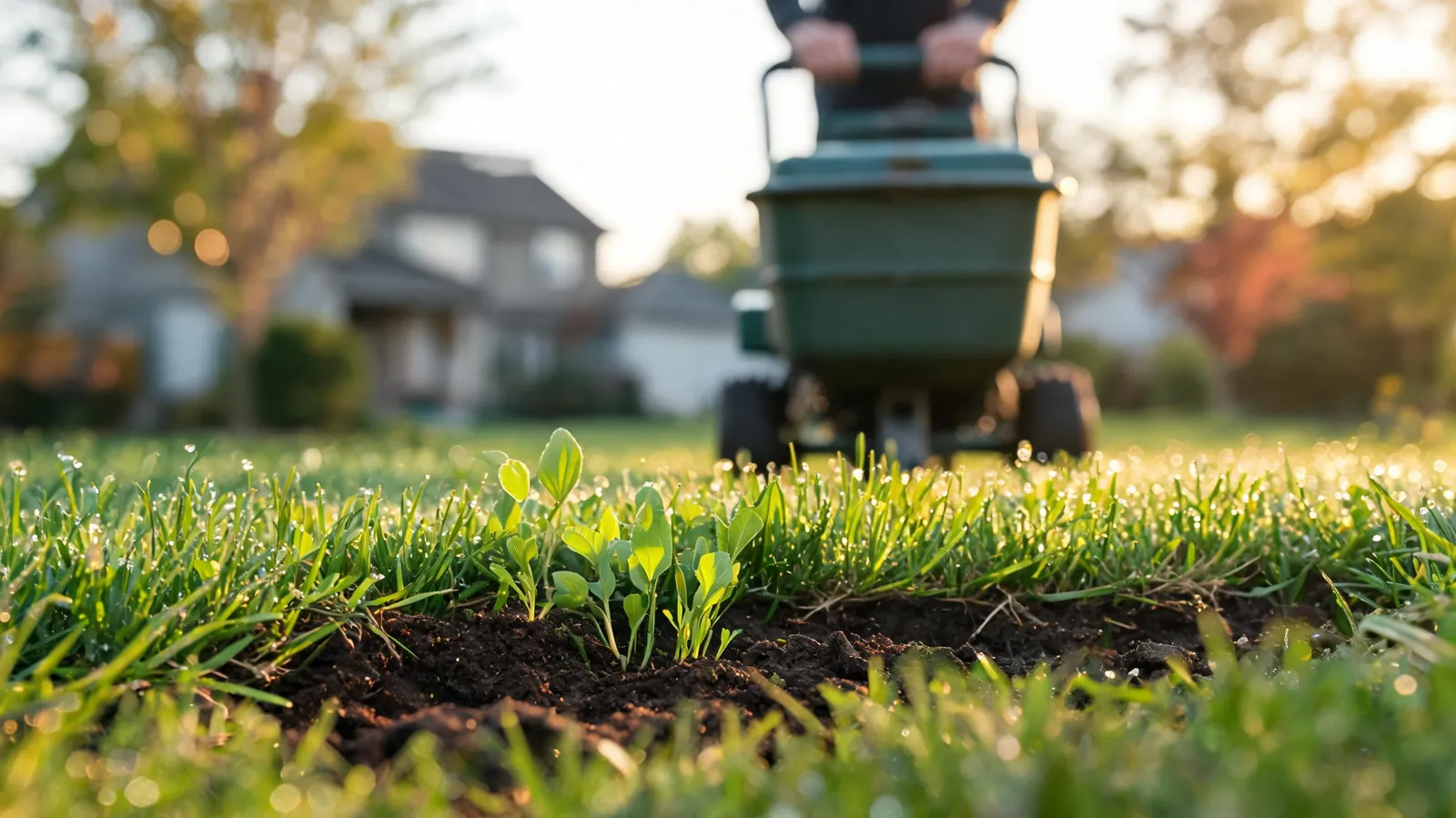
Crabgrass germinates when soil temperature at a 2-inch depth holds 55°F for 3 to 5 consecutive days. That's the number to watch. Not the air temperature, not the calendar, not the forsythia blooming down the street. Soil temp at 2 inches, three to five days running.
Miss that window and you're pulling crabgrass by hand in July. Hit it, and you stop the weed before it ever breaks the surface.
What Temperature Does Crabgrass Germinate At?
Crabgrass starts germinating at 55°F soil temperature measured 2 inches deep, held for 3 to 5 straight days. Germination speeds up as soil warms. About 80% of the seed comes up once soil settles between 60°F and 70°F. Cooler than 55°F, the seed stays dormant.
University turf programs have used the 55°F mark for decades because it's reliable across most of the country. The seed sitting in your soil has been waiting since last fall. It needs consistent warmth in the top couple inches to trigger, which is why a single 70°F afternoon in March does nothing. The soil hasn't caught up yet.
That's the key trap. Soil temperature lags air temperature by 1 to 2 weeks in spring. You can have shorts weather for a week while the ground is still cold enough to keep crabgrass asleep. Then the soil catches up, and it's game on.
Does crabgrass germinate all at once? No. It comes in waves through spring and early summer as soil temps climb and rain hits. The first flush starts at 55°F, but seed keeps germinating into the 80s°F. That's why a single pre-emergent application sometimes needs a split follow-up in warmer regions.
Why 2 Inches Deep and 3 to 5 Days?
Crabgrass seed sits in the top layer of soil, so the 2-inch depth reflects the actual temperature the seed feels. A single warm reading doesn't matter. The 3-to-5-day rule filters out random spikes and confirms the soil has truly warmed to stay.
Measure with a soil thermometer pushed 2 inches into the ground, ideally mid-morning, in a spot that gets average sun. South-facing slopes and areas near pavement warm faster and germinate first. Shaded north sides lag behind. Your lawn doesn't hit 55°F everywhere on the same day.
If you'd rather not stab a thermometer in the yard every morning, you can pull live soil temperature for your ZIP code at https://www.lawntide.com/lawn and watch it climb toward the threshold.
When Should You Apply Pre-Emergent for Crabgrass?
Apply crabgrass pre-emergent when soil temperature reaches 50 to 55°F at 2 inches—just before germination starts. Pre-emergent creates a barrier that stops the seed as it sprouts, so it has to be down and watered in before the 55°F germination point, not after.
Get it too early and the barrier can break down before the full germination window closes. Too late and the crabgrass is already up, where pre-emergent does nothing. The sweet spot is that narrow band between 50°F and 55°F.
Here's a real one: if you're in Columbus, Ohio, that window usually lands in early-to-mid April. Down in Atlanta, you're looking at mid-March. In Minneapolis, closer to late April or early May. Same soil temperature target, very different dates.
Is it too late to apply pre-emergent once I see crabgrass? Yes, for that flush. Pre-emergent only works on seed that hasn't sprouted. Once you see blades, you've missed the barrier and need a post-emergent product for the plants already up. You can still apply pre-emergent to block later germination waves.
Crabgrass Pre-Emergent Timing by Region
Soil hits 55°F on wildly different dates depending on where you live. This table shows the typical window for the 50–55°F application target. Use it as a starting point, then confirm with live soil temp, because a warm or cold spring shifts these by weeks.
| Region | Typical 50–55°F Soil Window | Notes |
|---|---|---|
| Southeast | Mid-Feb to mid-March | Coastal areas even earlier |
| Southwest | Late Feb to March | Desert zones warm fast |
| Midwest | Early to mid-April | South Midwest earlier |
| Northeast | Early to late April | Higher elevation lags |
| Northwest | Mid-March to April | West of Cascades milder |
Note: In Florida and the Gulf Coast, soil rarely drops cold enough for a clean dormant season, so crabgrass can germinate very early and in extended waves. Split your pre-emergent into two applications. Note: High-elevation and mountain lawns above 5,000 feet run several weeks behind the regional dates above.
What Is the GDD Method for Crabgrass?
Growing degree days (GDD) is an alternative to soil temperature that tracks accumulated heat over the season. Crabgrass emergence lines up with roughly 250 to 500 GDD using a base temperature of 50°F. It's the same biology, counted a different way.
GDD adds up each day's heat above the 50°F base. String enough warm days together and the accumulated total predicts germination. University turf research leans on GDD models because they smooth out day-to-day swings better than a single soil reading. Many extension services publish live GDD maps each spring.
Which should you use? Soil temperature is simpler and easy to read yourself. GDD is more precise across a whole season and better for planning split applications. Both point to the same window. If your soil thermometer says 55°F and your regional GDD says 250, they agree, and it's time.
Which Crabgrass Species Does the 55°F Rule Cover?
The 55°F threshold covers the common crabgrass species homeowners fight across the US. They germinate on a similar schedule, with smooth crabgrass running a touch earlier than large crabgrass in most areas.
- Large crabgrass (Digitaria sanguinalis) – the tall, hairy one in most northern lawns
- Smooth crabgrass (Digitaria ischaemum) – smaller, less hairy, often germinates slightly earlier
- Southern crabgrass (Digitaria ciliaris) – common through the Southeast and Gulf
- India/tropical crabgrass – shows up in the deep South and warm coastal zones
All of them are summer annuals. They sprout in spring, spread through summer, drop thousands of seeds, and die at the first hard frost. The seed overwinters in your soil and starts the cycle again the next time it hits 55°F.
What Slows or Speeds Up Germination?
Moisture, sun exposure, and soil type all shift the timing around that 55°F baseline. Wet soil warms slower than dry soil. Bare, compacted, or south-facing ground warms faster and germinates first, which is why crabgrass shows up along driveways and sidewalks before the rest of the lawn.
Thin, patchy turf is the real accelerator. Sunlight reaching bare soil warms it faster and gives crabgrass seed the light and space it wants. A thick, tall stand of grass shades the soil, keeps it cooler, and blocks germination on its own. Mowing at the high end of your grass's range is a legitimate crabgrass control, no product required.
FAQ
At what soil temperature does crabgrass germinate?
Crabgrass germinates when soil temperature reaches 55°F at a 2-inch depth for 3 to 5 consecutive days. Germination accelerates as soil warms, with about 80% of seed coming up between 60°F and 70°F. Below 55°F the seed stays dormant.
Should I use air temperature or soil temperature for crabgrass timing?
Use soil temperature at a 2-inch depth. Soil lags air temperature by 1 to 2 weeks in spring, so warm afternoons don't mean the ground is ready. A soil thermometer or a live ZIP-based soil temp reading is far more accurate than watching the forecast.
How many growing degree days until crabgrass germinates?
Crabgrass emergence lines up with roughly 250 to 500 growing degree days using a base temperature of 50°F. GDD tracks accumulated heat over the season and tends to predict the germination window as reliably as soil temperature, which is why many university models use it.
Can I still stop crabgrass after it germinates?
Pre-emergent won't touch crabgrass that's already sprouted. Once you see blades, switch to a post-emergent product labeled for crabgrass and treat the young plants while they're small. You can still apply pre-emergent to block later germination flushes through summer. Always follow the product label for rates and timing.
Stop guessing the timing — we'll watch your soil for you.
See your live soil temperature and this year's treatment windows for your ZIP, free.
Or get free email alerts — one plain-English email the week each task is due.

Every guide above comes down to your local soil temperature — see the live number and this year's windows for your city: