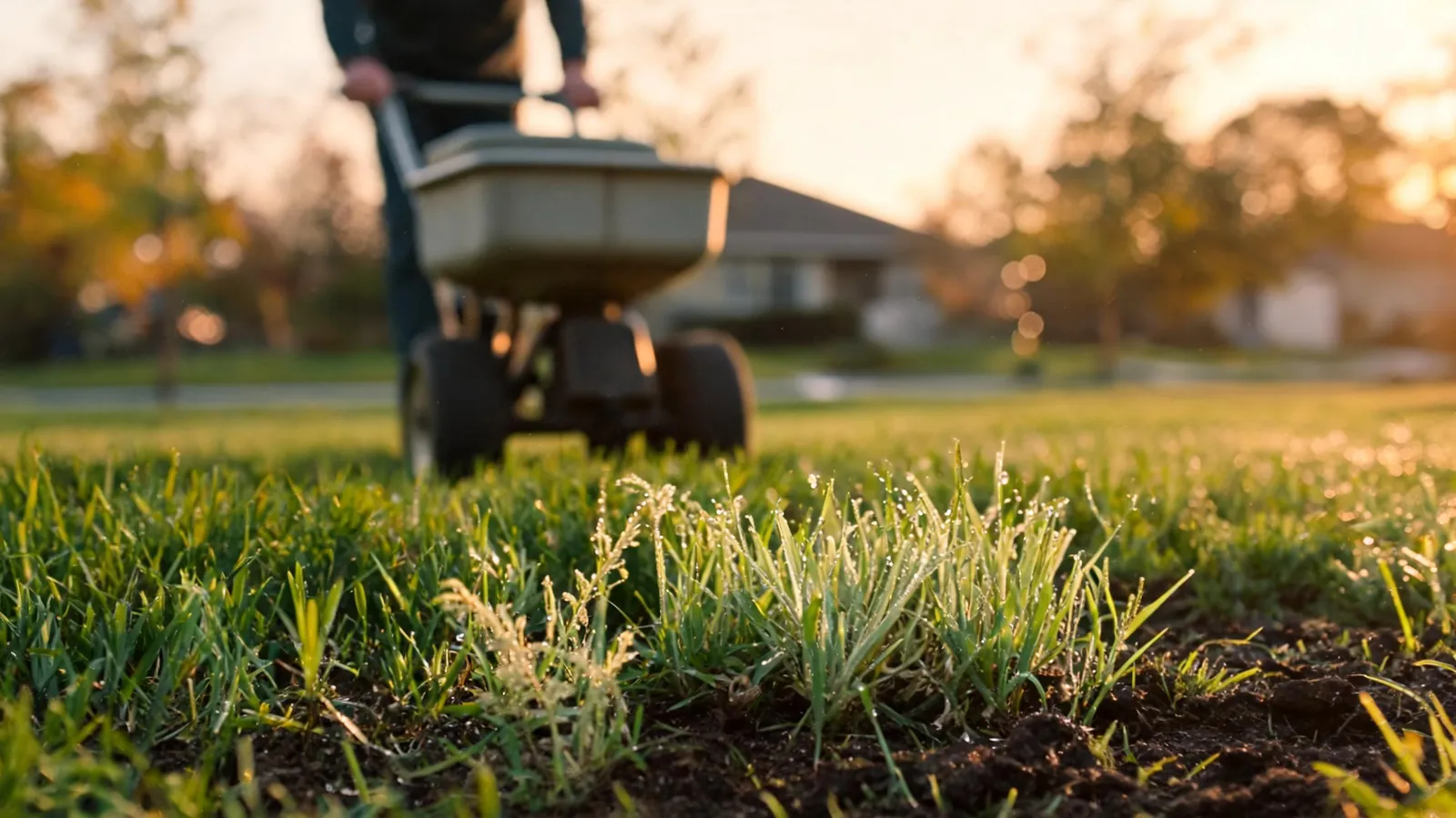
Guides · By LawnTide · Updated August 19, 2026 · 7 min read
What Soil Temperature Does Poa Annua Germinate? (Fall Weed Timing Guide)
Poa annua germinates when soil temperature drops below 70°F at a 2-inch depth, with the heaviest flush between 60°F and 50°F. That's the number to circle. Crabgrass wakes up in spring as soil warms through 55°F. Poa annua does the mirror image - it wakes up in fall as soil cools through 70°F. Same idea, opposite season. Miss the window and you're fighting it all winter.
Most homeowners nuke crabgrass every April and then leave the back door wide open in September. That's the mistake. If you want a clean lawn next spring, the work happens now.
At what soil temperature does Poa annua germinate?
Poa annua starts germinating when soil temperature falls below roughly 70°F at a 2-inch depth. The strongest flush comes as soil cools through the 60s and into the low 50s. Once you drop below 45°F germination slows way down, but by then the plants are already established.
The key word is falling. University turf programs peg the trigger at that 70°F line on the way down. Air temperature can still hit the 80s in the afternoon, which fools people into thinking it's too early. Soil doesn't care what the air does at 2 p.m. It responds to shortening days and cool nights, and it lags weeks behind the calendar.
How do I know my soil temperature without a probe? You can push a cheap soil thermometer 2 inches down in the morning and read it. Easier: check the live soil temperature for your ZIP at https://www.lawntide.com/lawn. When your number is sitting at 70°F and trending down, you're on the clock.
Why is Poa annua called the fall version of crabgrass?
Both are annual weeds keyed to a soil-temperature threshold, and both get controlled the same way - a pre-emergent barrier laid down before the seed germinates. Crabgrass triggers at 55°F rising in spring. Poa triggers at 70°F falling in fall. The playbook is identical, just flipped on the calendar.
Here's why the fall timing catches people off guard. Poa annua germinates into almost zero competition. Your cool-season lawn is coming out of summer stress - thin, maybe heat-scorched, with bare spots. Warm-season lawns like Bermuda and zoysia are heading into dormancy and going brown. Either way, the turf isn't fighting back. Poa fills the gaps, greens up over winter while everything else sleeps, and looks like a healthy patch of lawn right up until it produces those ugly whitish seedheads in spring.
Then it dies in the first real heat and leaves a bare hole - right where crabgrass moves in. It's a relay race between two weeds, and fall Poa hands off the baton.
When should I apply fall pre-emergent for Poa annua?
Apply pre-emergent when soil temperature reaches 70°F and is still dropping, before any Poa germinates. That's usually late August through September for most of the country. Get the barrier down early - a late application after seeds have sprouted does nothing, since pre-emergents only stop germination, not existing plants.
Timing shifts by region. Here's the general soil-temperature window for that 70°F-falling trigger:
| Region | Typical pre-emergent window | Notes |
|---|---|---|
| Northeast | Late Aug – mid Sept | Colder zones trend to the early end |
| Midwest | Late Aug – mid Sept | Watch a cool front pull soil down fast |
| Northwest | Sept – early Oct | Mild coast cools slowly |
| Southeast | Mid Sept – mid Oct | Transition-zone lawns, don't wait too long |
| Southwest | Late Sept – late Oct | Elevation swings the date hard |
Note: In Florida, south Texas, and Hawaii, soil may not reliably fall below 70°F until October or later, and in the warmest coastal spots Poa pressure runs all winter. Go by your actual soil temperature, not the map. High-elevation lawns in Colorado or the Sierra cool weeks earlier than nearby valleys - check your ZIP.
Common pre-emergent active ingredients that target Poa annua:
- Prodiamine
- Dithiopyr
- Pendimethalin
- Isoxaben (broadens the spectrum to broadleaf winter weeds)
- Indaziflam (long residual, follow label carefully)
Follow the label for rates and watering-in. I'm not giving you numbers here because they change by product and by whether you're on cool- or warm-season turf.
Why can't I overseed and apply pre-emergent at the same time?
Pre-emergent doesn't know the difference between a Poa annua seed and a fescue seed. It blocks germination of both. So if you lay down a barrier in September, then drop grass seed into it, your new grass won't come up. That's the single biggest fall lawn conflict there is.
Cool-season overseeding happens in the exact same window Poa germinates - September, when soil is dropping through the 70s and 60s. You literally cannot do both jobs in the same spot at the same time. You have to choose your plan:
- Overseeding this fall? Skip the fall pre-emergent entirely. Seed early, let the new grass mature, and rely on a thick stand plus spot-spraying to keep Poa in check. Some products let you apply a pre-emergent a few weeks after seedlings establish - check the label for a seeding interval.
- Not overseeding? Get the pre-emergent down on schedule at the 70°F-falling mark. This is the year you win the Poa battle.
- Mesotrione is the workaround. It's the one active ingredient labeled to go down at seeding on many cool-season grasses, giving you some early weed suppression without killing your new seed. Read the label for which grass types are safe.
Is it too late to seed after I've already applied pre-emergent? Yes, for most products, for several weeks to a few months depending on the active ingredient and rate. Prodiamine and indaziflam have long residuals. If you've laid a barrier and then decide you want to seed, you're waiting - check the label for the reseeding interval before you buy seed.
What does Poa annua look like so I know I have it?
Poa annua is a light, almost yellow-green grass that stands out against darker turf, especially in winter and early spring. It grows in low clumps, feels soft, and throws up those distinctive white seedheads even when mowed short. You'll spot it first in thin, moist, compacted areas - along driveways, in shady patches, and anywhere summer thinned the lawn.
If you're in Raleigh and it's late October, a bright-green patch spreading through your dormant Bermuda is almost certainly Poa. In Minneapolis in March, those pale tufts studding your snow-melted fescue are the same plant. It's germinating right now while you read this - you just won't see it clearly until it seeds.
FAQ
Does Poa annua come back every year?
Yes, unless you break the seed cycle. Each plant can drop 100 or more seeds before it dies in early summer, and those seeds sit in the soil waiting for the next fall's 70°F trigger. One skipped fall of pre-emergent restocks the seed bank and gives you years of pressure. Consistent fall barriers, two or three seasons running, are what actually thin it out.
Can I kill Poa annua after it's already growing?
Pre-emergent won't touch established Poa - it only stops germination. Once it's up, you're into post-emergent products, and options are limited and turf-specific, especially on cool-season lawns where the chemistry that kills Poa can also hurt your good grass. On dormant Bermuda you have more room to work. The far easier path is preventing it with a fall pre-emergent at the right soil temperature.
Should Southern lawns worry about fall Poa annua?
Absolutely. Warm-season lawns like Bermuda and zoysia go dormant and brown in winter, so a green Poa invasion is even more obvious and the turf offers zero competition. Apply your pre-emergent when soil falls to 70°F - typically September into October across the South. In Florida and along the Gulf, watch your actual soil temperature, since it may not cool enough until later.
What's the difference between Poa annua and Poa trivialis?
Poa annua is a true winter annual that germinates in fall, seeds in spring, and dies in summer heat. Poa trivialis (rough bluestalk) is a perennial that survives year to year and spreads by stolons, making it tougher to control since fall pre-emergent timing doesn't stop an existing perennial. If your patch returns from the same crowns every year rather than from seed, you may be dealing with trivialis, not annua.
Stop guessing the timing — we'll watch your soil for you.
See your live soil temperature and this year's treatment windows for your ZIP, free.
Or get free email alerts — one plain-English email the week each task is due.
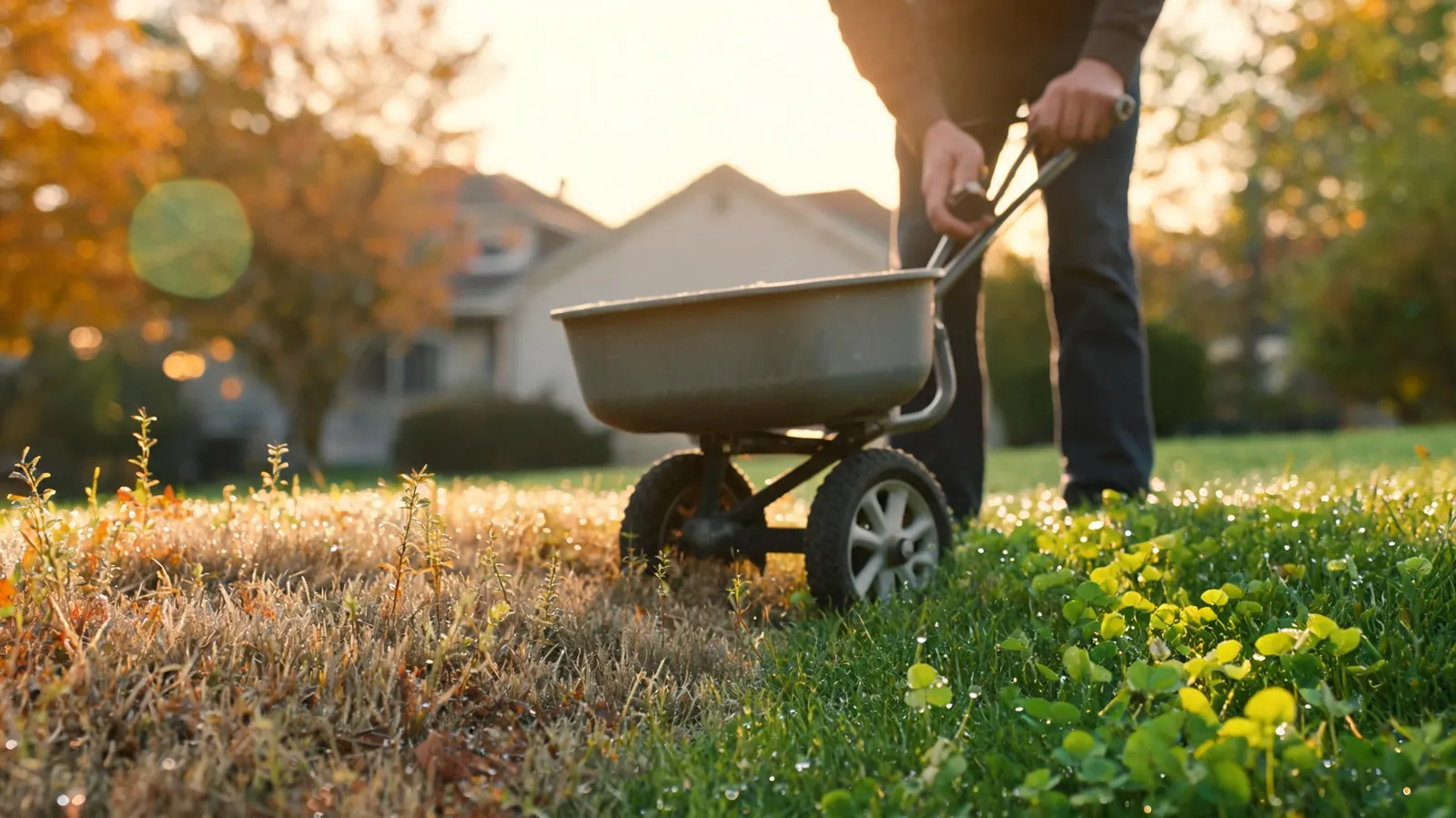
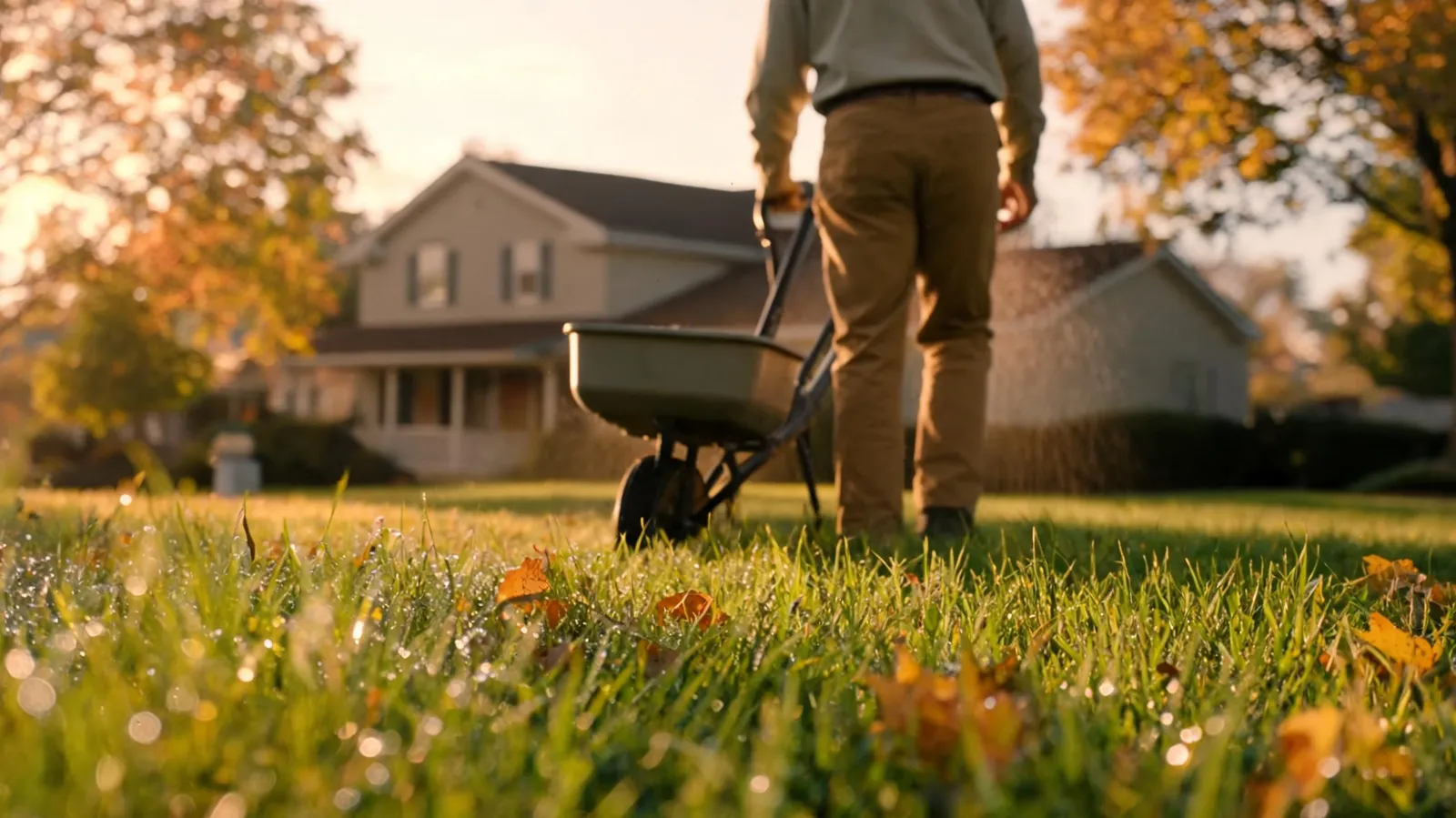

Every guide above comes down to your local soil temperature — see the live number and this year's windows for your city: