Guides · By LawnTide · Updated October 7, 2026 · 7 min read
When to Apply Fall Pre-Emergent in Kansas
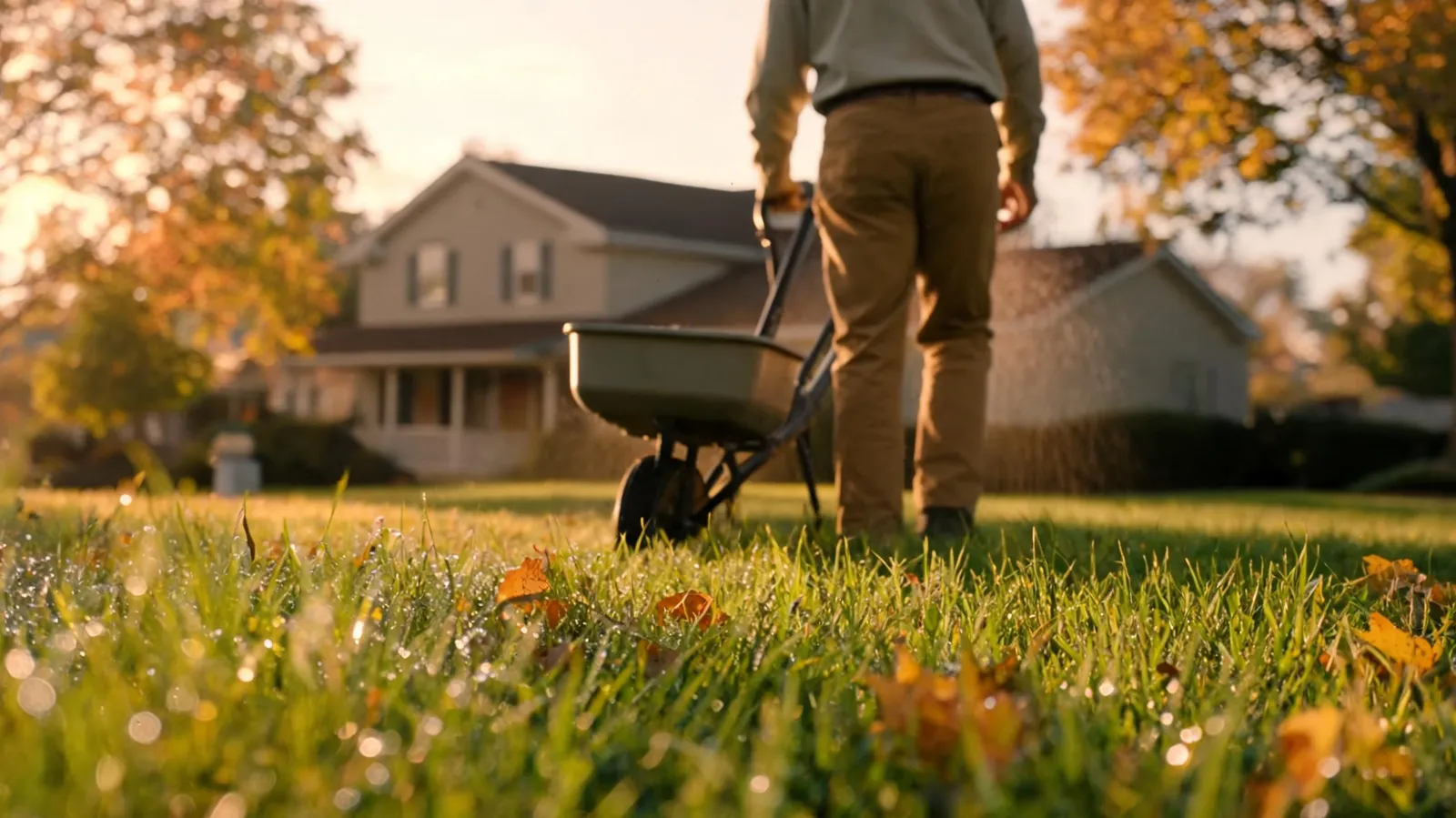
Apply fall pre-emergent in Kansas when soil temperature at a 2-inch depth drops to 70°F and keeps falling for three to four straight days. For most of the state that's mid-September. In the Kansas City metro you're usually looking at September 10 through 20. Wichita runs a few days behind, and the western third of the state later still.
That 70°F falling threshold is the number university turf programs use, because it's right when winter annual weeds like poa annua and henbit start germinating. Miss it by two weeks and the seeds are already up. Check your actual soil temp by ZIP before you spray — air temp lies this time of year. You can pull the live number for your ZIP at https://www.lawntide.com/lawn.
When exactly should I apply fall pre-emergent in Kansas?
When 2-inch soil temps fall to 70°F for 3-4 consecutive days. In Kansas that lands in mid-September for most lawns. The eastern half — Kansas City, Lawrence, Topeka — tends to hit it first. Wichita and the drier west follow a week or so later as the ground holds heat.
Soil cools from the top down and it does it slowly. A cool front might drop the air into the 50s overnight, but the soil at root depth is still in the mid-70s. That's why you wait for three or four straight days under 70 — one cold snap doesn't mean the weeds are germinating yet. Jump the gun and the pre-emergent barrier can break down before the real germination window opens.
Can I just go by the calendar instead? You can, but you'll be off by a week or two in a weird year. A warm September pushes germination later; an early cold snap pulls it forward. The calendar is a backup — soil temperature is the real trigger.
| Region / City | Typical application window | Dominant grass |
|---|---|---|
| Kansas City metro (eastern KS) | Sept 10 – 20 | Tall fescue |
| Lawrence / Topeka | Sept 10 – 22 | Tall fescue |
| Wichita (south-central) | Sept 15 – 28 | Fescue / bermuda mix |
| Western Kansas (Garden City, Dodge City) | Sept 18 – Oct 5 | Buffalo / bermuda |
Note: High-elevation spots in far western Kansas cool faster. If you're out past Garden City and the mornings are already frosty, check your soil temp rather than trusting the metro timing.
What weeds does fall pre-emergent stop in Kansas?
Fall pre-emergent blocks the winter annuals that germinate in cooling soil and take over your lawn through winter and early spring. These are the weeds that look like nothing in October and a green carpet of trash by March. Hit them before they sprout and you never see them.
Here's what a fall application targets in Kansas:
- Poa annua (annual bluegrass) — the big one, germinates right at 70°F falling
- Henbit — the purple-flowered weed that blankets lawns in spring
- Common chickweed
- Deadnettle
- Annual ryegrass (volunteer)
- Shepherd's purse
Henbit and deadnettle are the ones most Kansas homeowners actually notice, because they flower in March and April and make the whole lawn look purple. People spray them in spring and wonder why nothing works — by then the plant is mature and pre-emergent does nothing. The only cheap fix is stopping them in September.
Does fall pre-emergent help with crabgrass? Not really. Crabgrass is a summer annual — it germinates in spring when soil hits 55°F. Fall pre-emergent is for winter weeds. You'll run a separate spring application for crabgrass around late March to mid-April in Kansas.
The overseeding problem: can I do both?
No. This is the single biggest conflict for Kansas lawns, and you have to pick one. Pre-emergent works by stopping seeds from establishing roots — it does not know the difference between a poa annua seed and your tall fescue seed. Spray it and then overseed, and your grass seed won't take either.
Most fescue lawns in the KC area, Lawrence, and Topeka overseed every September. It's the best month for it — warm soil, cool air, no crabgrass pressure. That's the exact same window as fall pre-emergent. So they collide head-on.
Here's how to think about it:
- Overseeding this fall? Skip pre-emergent entirely. Seed your fescue in early-to-mid September, let it establish for 6-8 weeks, then handle any winter weeds with a post-emergent spot spray later. Come back to pre-emergent next fall.
- Lawn is thick and full? Skip the seed, apply pre-emergent at 70°F falling, and keep the winter weeds out.
- Using a mesotrione-based product? A few pre-emergents are labeled safe to use at or near seeding time for cool-season grass. Read the label — it's the only thing that tells you the seeding interval.
How long after pre-emergent can I seed? With most standard products, 10-16 weeks. That pushes you well past the good fall seeding window, which is why "pre-emergent now, seed later" doesn't work in fall. If you sprayed a regular pre-emergent this September, wait until spring and reassess.
Does western Kansas need fall pre-emergent at all?
Less than the east, but still yes if you've got winter weeds. Buffalograss and bermuda dominate out west, and both go fully dormant and brown in winter. Winter annual weeds stand out badly against dormant turf — a brown bermuda lawn with green poa patches looks terrible.
The good news: warm-season grass lawns don't overseed in fall, so there's no conflict. You can spray pre-emergent on dormant or dormant-going bermuda and buffalo without worrying about blocking seed. Time it the same way — 70°F soil and falling — which out west usually means late September into early October.
Dry falls in western Kansas also mean you need to water the product in. Pre-emergent needs about a half inch of water within a few days of application to activate and form the barrier. No rain in the forecast around Dodge City? Run the sprinklers.
How do I apply it so it actually works?
Get it down before germination, water it in, and don't disturb the soil after. Pre-emergent forms a thin chemical layer at the soil surface. Break that layer by raking, aerating, or heavy dethatching and you've opened gaps for weeds to come through.
The sequence that works:
- Mow and bag clippings a day or two before so the product reaches the soil.
- Apply at the first stretch of 70°F falling soil — don't wait for the perfect weekend.
- Water in with about a half inch within 2-4 days (or let rain do it).
- Leave the lawn alone. No aeration, no overseeding, no hard raking afterward.
For rates and the exact watering-in window, follow the product label. Don't eyeball it — too little leaves gaps, too much is wasted money and can stress the turf.
FAQ
Is it too late for fall pre-emergent in October in Kansas?
In eastern Kansas, usually yes — poa annua and henbit have already germinated by October, and pre-emergent only stops seeds, not sprouted plants. In western Kansas you may still catch a late window into early October. If weeds are already up, switch to a post-emergent product instead.
Can I overseed my fescue and still control winter weeds?
Yes, just not with pre-emergent. Overseed in early-to-mid September, let the new fescue establish for 6-8 weeks, then spot-treat any winter weeds with a post-emergent labeled safe for new grass. You give up the pre-emergent barrier this one season in exchange for a thicker lawn, which crowds out weeds on its own.
What soil temperature triggers poa annua in Kansas?
Around 70°F at a 2-inch depth and falling. That's the germination trigger university turf programs point to, and it's why the mid-September window matters. Check the live soil temperature for your ZIP rather than guessing from the air temperature, which runs cooler than the ground this time of year.
Do I still need spring pre-emergent if I apply in fall?
Yes. Fall pre-emergent targets winter annuals like poa annua and henbit. Spring pre-emergent targets summer annuals like crabgrass and goosegrass that germinate at 55°F soil, usually late March to mid-April in Kansas. They're two different applications for two different weed groups.
Stop guessing the timing — we'll watch your soil for you.
See your live soil temperature and this year's treatment windows for your ZIP, free.
Or get free email alerts — one plain-English email the week each task is due.

Every guide above comes down to your local soil temperature — see the live number and this year's windows for your city: