Guides · By LawnTide · Updated October 5, 2026 · 6 min read
When to Apply Fall Pre-Emergent in California
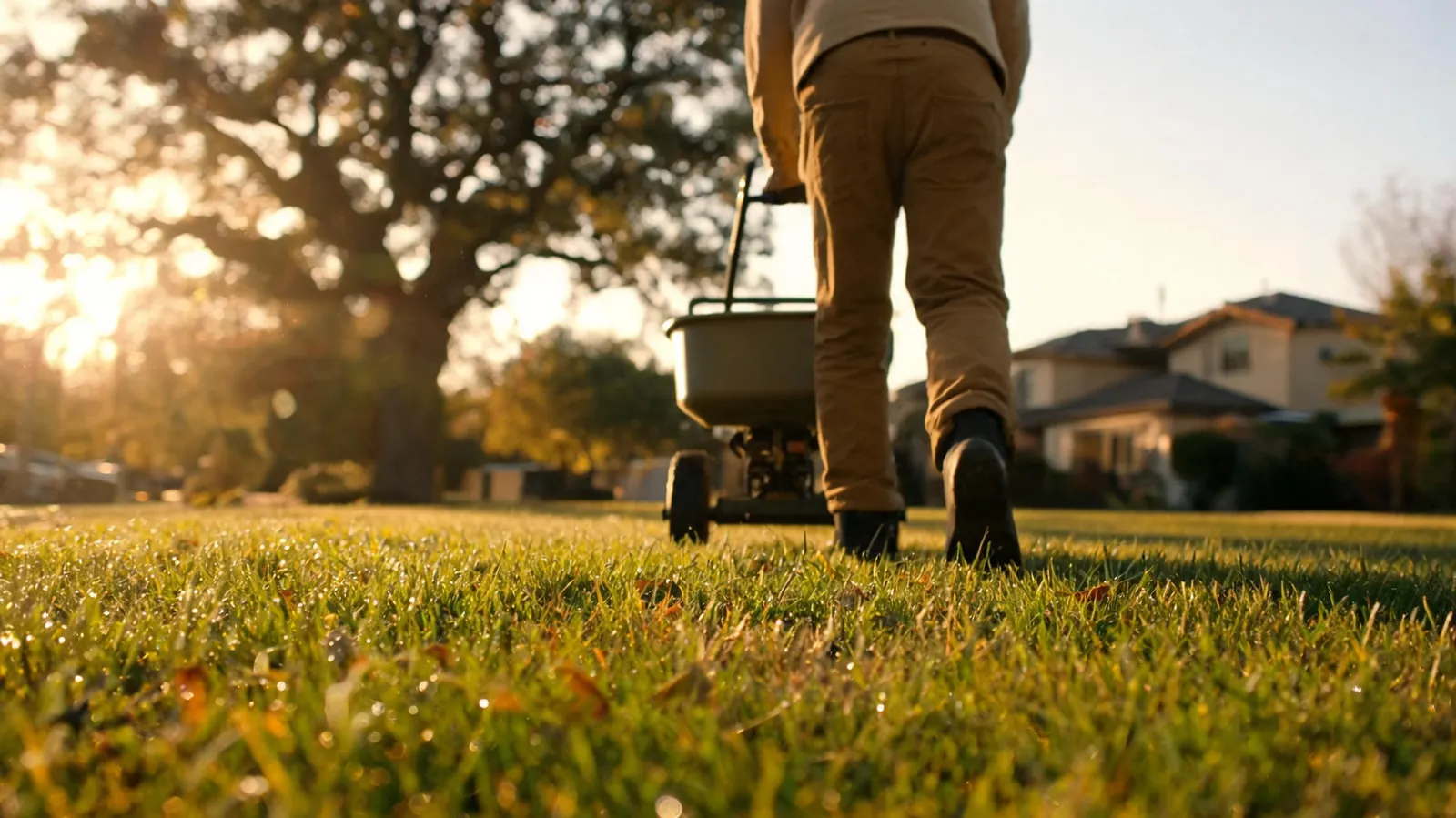
Fall pre-emergent in California goes down when soil temperature drops to about 70°F and is still falling. That happens in September in the mountains, October in the Central Valley, late October in inland SoCal, and November along the coast. The state spans six USDA zones, so there's no single date—your ZIP decides.
The trigger that matters most is the first real fall rain. Poa annua and winter broadleaf weeds have been sitting dormant all summer waiting for moisture plus cooling soil. Once both line up, they germinate in a tight window. Your job is to have the chemical barrier in the ground before that rain, not scrambling after.
When should I apply fall pre-emergent in California?
Apply when soil temperature at the 2-inch depth hits 70°F on a falling trend for several consecutive days. That's the germination threshold for annual bluegrass (Poa annua), the number-one fall target statewide. In most of California that window opens between mid-September and mid-November depending on where you live.
Don't go by the calendar alone. A warm fall pushes the date back a week or two; an early cool snap pulls it forward. Check the live soil temperature for your ZIP at https://www.lawntide.com/lawn and watch for the 70°F mark heading down.
What if the rain comes before I'm ready? Apply immediately and water it in yourself if no more rain is coming. A barrier laid down a few days late is far better than none—but you'll likely see some breakthrough weeds you'll have to spot-treat later.
What's the timing for each California region?
California's climate spread is enormous. Coastal Santa Cruz, Fresno's Central Valley heat, the high Sierra, and inland San Bernardino all cool off on completely different schedules. Here's how the regions line up.
| California region | Example cities | Typical application window | What triggers it |
|---|---|---|---|
| Mountains / high elevation | Truckee, Mammoth, Big Bear | Early-to-mid September | Soil cools fast above 4,000 ft |
| Central Valley | Sacramento, Fresno, Modesto, Bakersfield | Early-to-mid October | First cooling after summer heat |
| SoCal inland | Riverside, San Bernardino, Ontario | Late October | Late-season heat delays cooldown |
| North Coast / Bay Area | San Francisco, Oakland, Santa Rosa | Late October to November | Mild, slow cooling |
| South Coast | Los Angeles, San Diego, Long Beach | November | Marine layer keeps soil warm longest |
Note: Desert areas like Palm Springs and the Coachella Valley run even later—often mid-to-late November—because soil stays warm well into fall. Overseeded Bermuda lawns in the low desert are a separate case; pre-emergent will block your ryegrass seed too, so skip it on overseed zones.
If you're in Sacramento and it's the first weekend of October, you're right in the sweet spot. Down in San Diego that same weekend, you've got a full month to go.
What weeds does fall pre-emergent stop in California?
Fall pre-emergent targets the cool-season annuals that germinate as soil cools and the rains start. The headliner is Poa annua, but a whole crew of winter broadleaf weeds comes up at the same time. Stop them at germination and you avoid a spring full of pulling and spraying.
What a fall application controls in California:
- Annual bluegrass (Poa annua) – the main target; germinates at 70°F soil and falling
- Common chickweed – mats up in cool, moist turf
- Henbit – the purple-flowered winter weed everyone notices in February
- Annual ryegrass (volunteer) – not your intentional overseed
- Shepherd's purse
- Burclover – common in Central Valley lawns
- Filaree (storksbill) – widespread across inland California
- Groundsel and sowthistle
Pre-emergent won't touch weeds that have already sprouted. If you can already see Poa annua clumps, you're past the window for that generation and need a post-emergent instead.
Does fall pre-emergent stop dandelions? Not reliably. Dandelions are perennials that spread mostly from existing roots and crowns, so pre-emergent does little against established plants. It helps only against new dandelion seedlings, which isn't the main way they spread.
How does the first fall rain affect timing?
The first soaking rain is the starting gun for winter weed germination in California. Dormant seeds need moisture plus cooling soil, and that first inch of rain delivers the moisture. If your barrier is already down, the rain actually helps—it activates most pre-emergents by moving them into the top layer of soil.
Get it backwards and you've got a problem. Rain on bare soil with no barrier means seeds germinate freely, and by the time you apply, you're treating ground that's already sprouting. In coastal and Bay Area lawns especially, that first atmospheric-river system in late October or November is the deadline to beat.
Watch the forecast once soil temps approach 70°F. See a storm three to five days out? That's your signal to apply now so you can water it in or let the rain do it.
Do I need to water pre-emergent in?
Most granular pre-emergents need about half an inch of water within a few days of application to activate the barrier. In California's dry fall, you usually can't count on rain for the first application, so run your sprinklers. If a storm is already in the forecast, let it do the work.
Follow the product label for the exact amount and timing—it varies by active ingredient. Liquid formulas sometimes need less. Either way, a dry barrier sitting on the surface isn't protecting anything.
Can I apply fall pre-emergent on a newly seeded lawn?
No. Pre-emergent stops all seeds from establishing, including the cool-season grass seed you just put down. If you seeded tall fescue or a cool-season blend this fall, wait until you've mowed the new grass three to four times before applying any pre-emergent.
This trips up a lot of California homeowners who reseed fescue in September and want weed control the same month. Pick one. Seed now and pre-empt later, or pre-empt now and seed in spring.
FAQ
Is October too late for fall pre-emergent in Southern California?
Not for most of SoCal. Inland areas like Riverside and San Bernardino are right on schedule in late October, and the coast from LA to San Diego is often still a few weeks early in October. Soil there stays warm into November, so you have time. Check your ZIP's soil temp rather than assuming you've missed it.
What soil temperature should I watch for Poa annua?
Poa annua germinates when soil at the 2-inch depth falls to around 70°F and keeps cooling. University turf programs use this falling-70°F mark as the standard trigger. Apply your pre-emergent while soil is in the low-to-mid 70s so the barrier is set before germination begins.
How long does one fall pre-emergent application last?
Most fall pre-emergents provide a barrier for about three to four months, which covers the main winter weed germination flush in California. In milder coastal zones with a long, warm, wet winter, a second split application may be worth it to extend protection into late winter. Always follow the label's reapplication guidance.
Should I apply pre-emergent before or after the first rain?
Before. The goal is to have the barrier in place when the rain triggers germination. Rain after application actually activates most products by watering them into the soil. If you apply after the rain, weeds may already be sprouting and pre-emergent won't control plants that have germinated.
Stop guessing the timing — we'll watch your soil for you.
See your live soil temperature and this year's treatment windows for your ZIP, free.
Or get free email alerts — one plain-English email the week each task is due.
Every guide above comes down to your local soil temperature — see the live number and this year's windows for your city: