Guides · By LawnTide · Updated September 25, 2026 · 6 min read
When to Apply Fall Pre-Emergent in Alabama
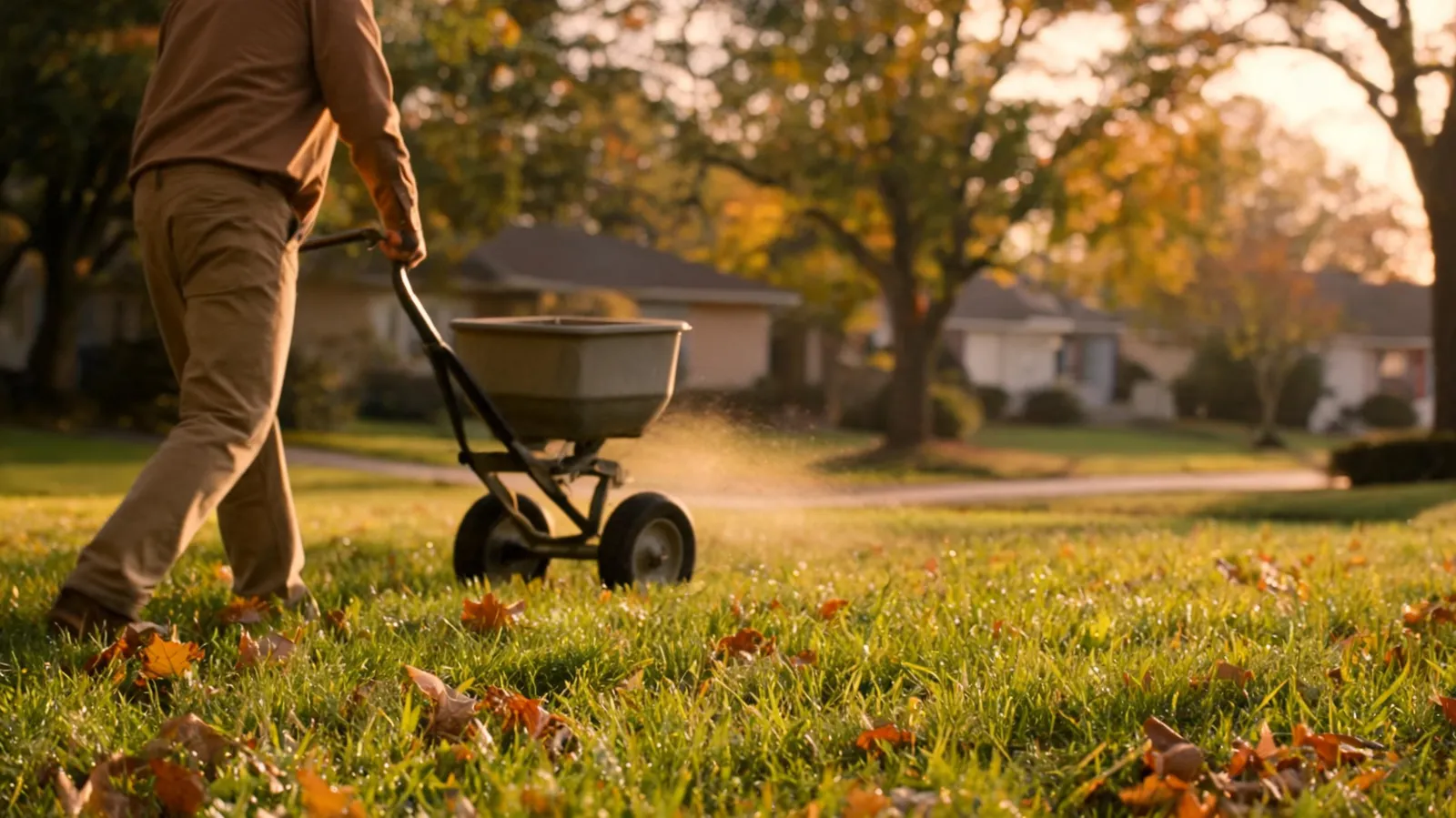
Put down fall pre-emergent when soil temperature at 2 inches drops to 70°F and holds there for 3 to 5 straight days. In Alabama that means late September up in Huntsville and mid-October down on the coast near Mobile. Miss that window and you're fighting Poa annua and henbit all winter with post-emergent sprays instead of stopping them before they ever sprout.
This is the one lawn task most Alabama homeowners get wrong. They wait for cool air. But it's the soil that triggers winter weed seeds, not the thermometer on your porch.
When exactly should you apply fall pre-emergent in Alabama?
Apply when the 2-inch soil temperature hits 70°F on a falling trend and stays there for several days. Winter annual weeds like Poa annua germinate as soil cools through the low 70s into the 60s. Your barrier has to be down and watered in before that happens—not after.
The air can still feel like summer when it's time. Late September in north Alabama often runs 85°F in the afternoon while the soil is already sliding through 70. That's the trap. Go by the ground, not the sky.
Check the live soil temperature for your ZIP at https://www.lawntide.com/lawn so you're not guessing.
Is Labor Day too early for fall pre-emergent in Alabama? Usually yes. In early September even north Alabama soil is still holding in the high 70s to low 80s. Apply then and part of your product breaks down before Poa annua seeds are ready to go. Wait for that 70°F trigger.
Why does soil temperature matter more than the calendar?
Weed seeds respond to soil temperature, not dates on a wall. Poa annua germinates as soil falls through 70°F. Henbit and chickweed follow close behind. University turf programs across the Southeast use that 70°F-and-falling mark as the standard trigger for fall pre-emergent.
Alabama covers almost four degrees of latitude. Huntsville near the Tennessee line cools weeks ahead of Mobile on the Gulf. A statewide "apply in October" rule leaves half the state either early or late. Soil temperature erases the guesswork because it's local to your yard.
Rain matters too. Most pre-emergents need about a half inch of water within a few days to activate and form the barrier. Time your application ahead of a forecasted rain, or run the irrigation yourself.
When should you apply by region of Alabama?
North Alabama leads, the central belt follows a week or two later, and the Gulf Coast brings up the rear. Here's how the state breaks down by soil-temperature timing.
| Alabama Region | Example Cities | Typical 70°F Soil Window |
|---|---|---|
| North Alabama | Huntsville, Decatur, Florence | Late September |
| North-Central | Birmingham, Tuscaloosa, Gadsden | Early October |
| Central / Black Belt | Montgomery, Auburn, Selma | Early to mid-October |
| Gulf Coast | Mobile, Daphne, Gulf Shores | Mid-October |
If you're in Birmingham and it's the first week of October, you're right in the pocket. Huntsville folks, you should already be done by then. Mobile, you've got until roughly mid-month—but watch the soil, because a warm fall can push you later.
Note: In a mild, wet fall the Gulf Coast window can slide toward late October. Don't lock in a date. Watch the 2-inch soil reading and move when it crosses 70.
What weeds does fall pre-emergent stop?
Fall pre-emergent targets winter annual weeds that germinate in cooling soil and take over dormant warm-season lawns. The big ones in Alabama:
- Poa annua (annual bluegrass) – the number one target; that light-green clumpy grass that seeds out all winter
- Henbit – the purple-flowered weed that carpets lawns in late winter
- Common chickweed
- Annual ryegrass (unwanted volunteer)
- Corn speedwell
- Lawn burweed (spurweed) – the sticker weed that turns your yard into a minefield by spring
- Cudweed
Burweed is worth calling out. If your bare feet get stabbed every April, fall pre-emergent is the fix—and fall is the only time to prevent it. By the time you feel the stickers, it's a year too late.
Does fall pre-emergent hurt warm-season grass?
No, not when your lawn is bermuda, zoysia, centipede, or St. Augustine and it's heading into dormancy. These grasses spread by runners in fall, not seed, so a pre-emergent that blocks seed germination doesn't touch them. That's exactly why fall is the safe, smart time to apply on Alabama lawns.
The one rule: don't apply pre-emergent where you plan to overseed. If you're throwing down winter ryegrass for green color, pre-emergent will kill that seed right along with the Poa. You have to choose one or the other on any given patch of lawn.
Can I use pre-emergent if I overseed with ryegrass? Not on the overseeded area. Pre-emergent doesn't know the difference between ryegrass seed and weed seed. Overseed those zones, then use post-emergent later for any weeds that break through, and reserve pre-emergent for the rest of the yard.
Should you split the application?
A split application gives longer protection. One fall pre-emergent app holds for roughly 8 to 12 weeks. Alabama winter weeds germinate over a long stretch—from that first 70°F drop well into winter—so a single dose can wear thin before spring.
Splitting means applying at the 70°F trigger, then a second round about 8 to 9 weeks later, each at the label rate. For most Alabama lawns that's roughly late September/early October, then again in December. It keeps the barrier intact through the whole germination window. Follow the label—don't stack full rates back to back.
If you only do one, get it down at the 70°F mark and don't skimp on watering it in.
What if you already missed the window?
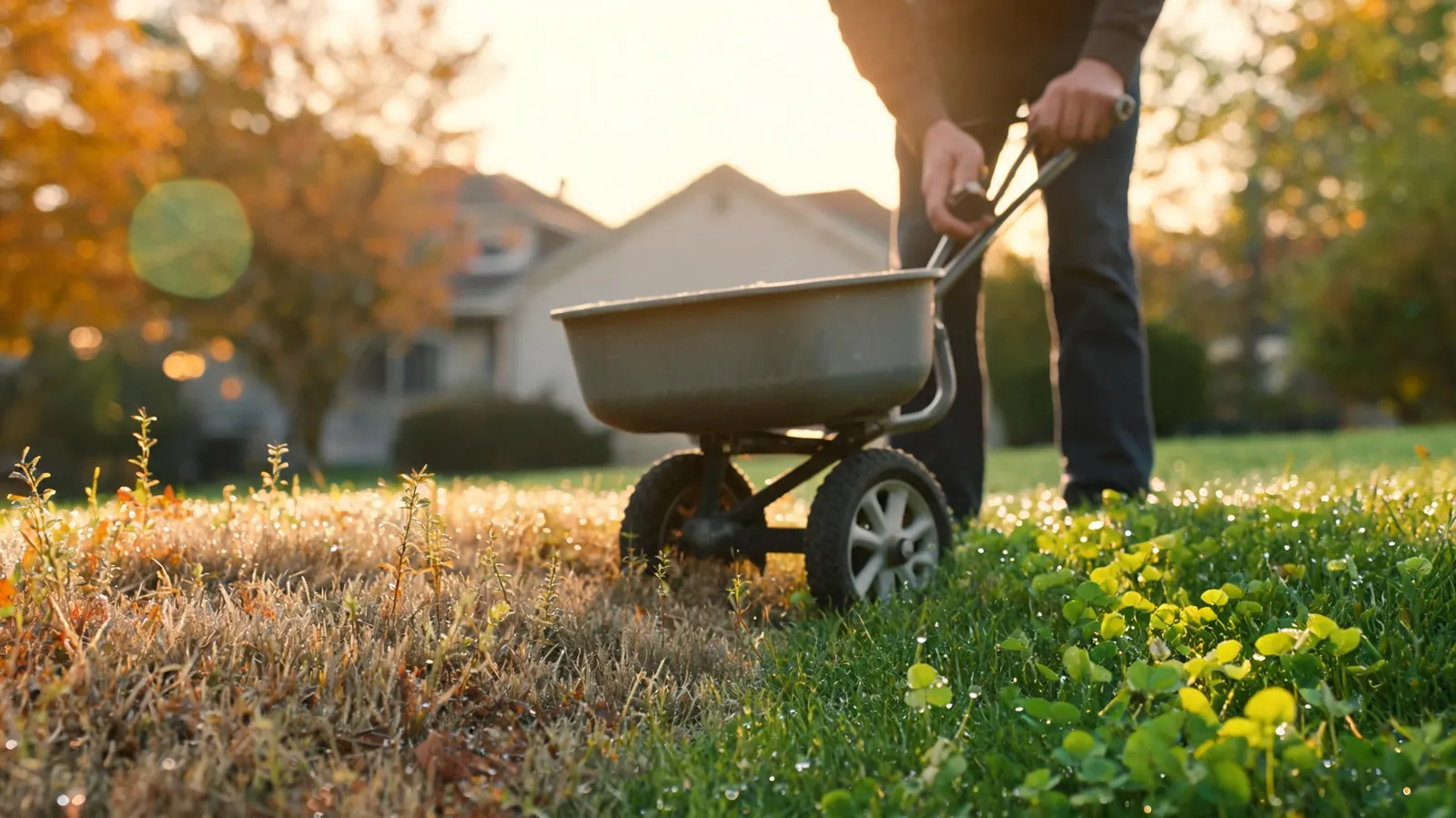
If Poa annua is already visible, pre-emergent won't touch it—it only stops seeds before they sprout. Switch to a post-emergent labeled for the weed and grass you have. Read the label carefully, because some products that are safe on bermuda will hurt centipede or St. Augustine.
Then mark your calendar for next fall and go by soil temperature. Prevention is cheaper and easier than spraying a lawn full of established winter weeds in January.
FAQ
What month do you put down fall pre-emergent in Alabama?
Most of Alabama applies fall pre-emergent between late September and mid-October. North Alabama (Huntsville, Decatur) goes first, around late September. The Gulf Coast (Mobile, Gulf Shores) is last, around mid-October. Always confirm with a 2-inch soil temperature of 70°F and falling rather than the calendar alone.
What soil temperature triggers Poa annua germination?
Annual bluegrass (Poa annua) germinates as soil temperature at 2 inches drops through 70°F into the 60s. That's why the standard fall pre-emergent trigger is 70°F on a falling trend for 3 to 5 consecutive days—it gets the barrier down just before the seeds wake up.
Can I apply fall pre-emergent and fertilizer at the same time?
Skip heavy fall nitrogen on warm-season grass—it's going dormant and doesn't need it. A pre-emergent applied on its own or with a low-nitrogen winterizer is fine. Push nitrogen in fall and you risk winter injury and disease. Save the real feeding for late spring green-up.
How long does fall pre-emergent last?
A single application typically protects for 8 to 12 weeks depending on the product, rate, and rainfall. Because Alabama winter weeds germinate over a long window, many homeowners split the treatment into two applications about 8 to 9 weeks apart to hold the barrier from fall into spring.
Stop guessing the timing — we'll watch your soil for you.
See your live soil temperature and this year's treatment windows for your ZIP, free.
Or get free email alerts — one plain-English email the week each task is due.
Every guide above comes down to your local soil temperature — see the live number and this year's windows for your city: