Guides · By LawnTide · Updated August 7, 2026 · 7 min read
When to Apply Crabgrass Pre-Emergent in Pennsylvania
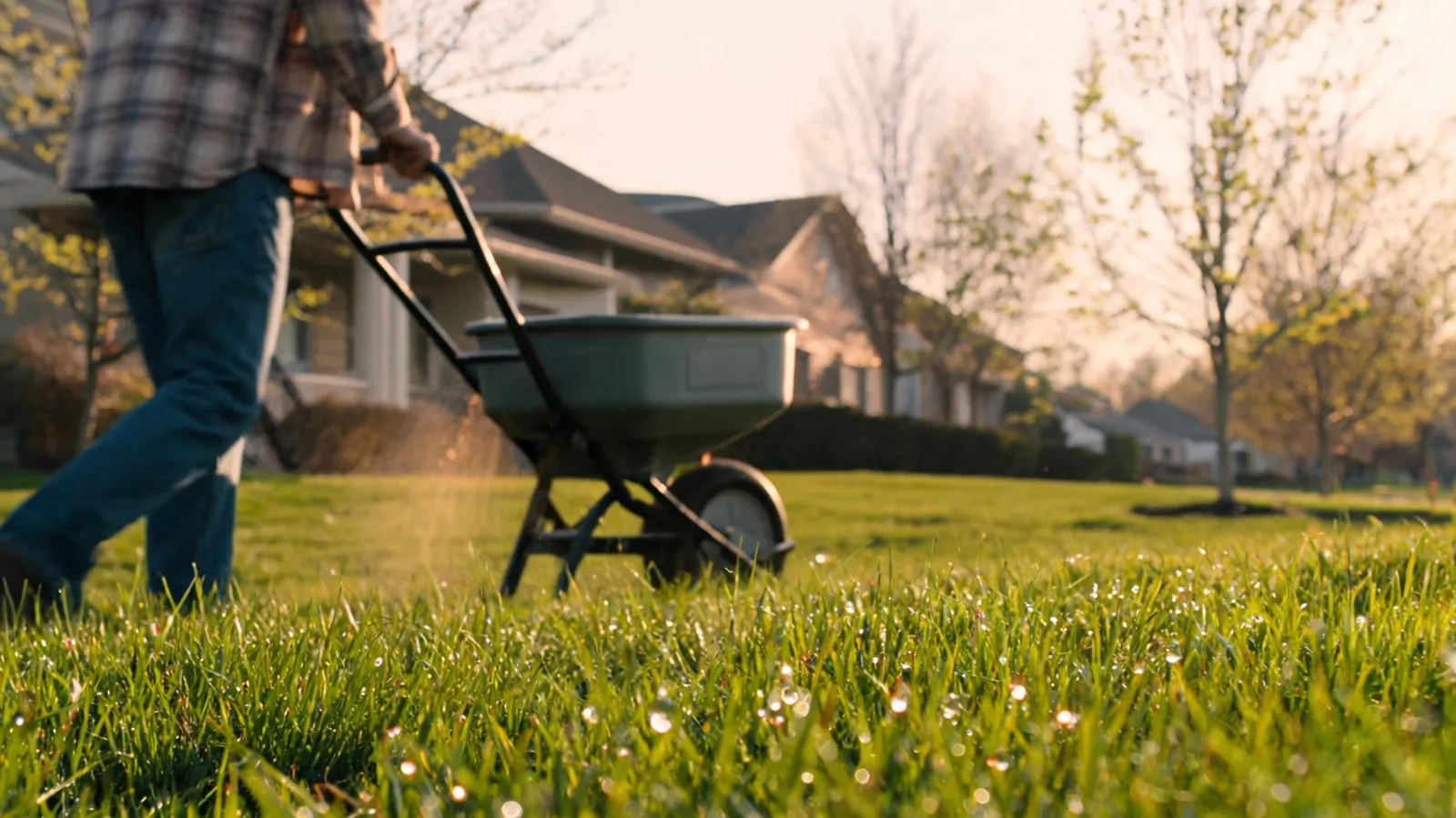
Crabgrass pre-emergent needs to be on the ground before soil temperature hits 55°F at a 2-inch depth for three straight days. In Pennsylvania that means late March to early April in Philadelphia, and mid-to-late April up in Pittsburgh and Erie. The calendar lies. Soil temperature doesn't.
PA is a wide state with real climate spread. The southeast corner near Philly can be greening up while the Erie shoreline is still shaking off winter. Timing your pre-emergent off a national "apply in April" tip gets people in the wrong half of the state every year. Some go down two weeks late and watch crabgrass punch through by June.
What soil temperature does crabgrass germinate at?
Crabgrass seed starts germinating when soil temperature reaches 55°F at a 2-inch depth and holds there for about three consecutive days. Peak germination runs from 60°F to 70°F. Your pre-emergent barrier has to be down and watered in before the soil crosses that 55°F line.
That's the whole game. Pre-emergent doesn't kill existing crabgrass and it doesn't kill seed. It creates a chemical barrier in the top layer of soil that stops seedlings as they sprout. If the seed has already germinated, you missed the window for that flush.
Forsythia is the old backyard signal - when those yellow shrubs bloom, soil is warming toward crabgrass range. It's a decent rough cue, but blooms lag soil temperature and vary by microclimate. Checking the actual soil temp for your ZIP beats guessing off a shrub. You can pull live soil temperature for any ZIP at https://www.lawntide.com/lawn.
Can I put pre-emergent down too early? You can. Most products give you 6-8 weeks of control before they break down. Go down in early March in Pittsburgh and the barrier may thin out before the main crabgrass flush even starts. Early is safer than late, but there's an outer edge.
When should you apply crabgrass pre-emergent in Pennsylvania?
Apply when soil temperature is climbing through the upper 40s and low 50s, so the barrier is set before it hits 55°F. Across PA that lands anywhere from late March to late April depending on where you live. Elevation and that year's spring both shift it.
Here's how the state breaks down by region. These are typical windows - a warm or cold March moves them.
| PA Region | Example Cities | Typical Application Window |
|---|---|---|
| Southeast PA | Philadelphia, Chester, Lancaster | Late March - early April |
| South-central PA | Harrisburg, York, Gettysburg | Early - mid April |
| Southwest PA | Pittsburgh, Washington, Greensburg | Mid April |
| Northeast PA | Scranton, Wilkes-Barre, Stroudsburg | Mid - late April |
| Northwest PA | Erie, Meadville, Warren | Late April |
Note: The Laurel Highlands and higher-elevation spots in the Alleghenies run a week or more behind the nearby valley cities on this table. If you're above 2,000 feet, lean toward the later end of your regional window and confirm with soil temp.
If you're in Philly and it's the last week of March, you're right in the zone. If you're in Erie and it's still the first week of April, you've got time - don't rush it.
Why do Philly and Pittsburgh differ by weeks?
Southeast PA sits at lower elevation, closer to the coast's moderating influence, and warms earlier every spring. Western and northern PA sit higher, colder, and often under lake-effect patterns near Erie. The result is a 2-3 week spread in soil warming across the state.
Think about it as a wave of warmth moving up and to the northwest. Philadelphia crosses the crabgrass threshold first. Harrisburg and York follow. Pittsburgh comes after that, and Erie usually brings up the rear thanks to Lake Erie holding spring back.
That's why a statewide date doesn't work in PA. A Philadelphia lawn treated on Pittsburgh's schedule is two weeks late - crabgrass is already up. A Pittsburgh lawn treated on Philly's schedule burns part of its barrier before the seed moves.
Should you split your pre-emergent into two applications?
Yes, if you want season-long control. A single spring application protects for roughly 6-8 weeks. Crabgrass germinates in waves through late spring and early summer, so a second application 6-8 weeks after the first extends the barrier and covers the later flushes.
The split approach matters most in warmer, southern parts of the state where the germination season stretches longer. Follow the product label for the total seasonal amount - splitting means dividing that, not doubling it. Never exceed the label's yearly limit.
What about a fall crabgrass application? Skip it. Crabgrass is a summer annual - it germinates in spring, dies with the first hard frost. Fall pre-emergent is for winter weeds like annual bluegrass (Poa annua), not crabgrass.
What weeds does crabgrass pre-emergent actually control?
Most crabgrass pre-emergents stop a range of summer annual grassy and broadleaf weeds as they germinate, not just crabgrass. Timing off the 55°F rule catches most of them since they germinate in a similar temperature range.
Common weeds these products control in PA lawns:
- Smooth crabgrass
- Large (hairy) crabgrass
- Goosegrass (germinates a bit later, warmer soil)
- Foxtail (green, yellow, giant)
- Barnyardgrass
- Annual bluegrass (Poa annua) - if applied in fall, not spring
- Some broadleaf annuals like knotweed and purslane
Goosegrass is the one to watch. It germinates later than crabgrass - closer to 60-65°F soil - so a barrier timed only for crabgrass can thin out before goosegrass shows. That's another argument for the split application in areas with goosegrass pressure.
Does pre-emergent stop you from seeding?
Yes. Most crabgrass pre-emergents block grass seed from establishing just like they block weed seed. The barrier can't tell the difference. If you're planning to seed thin spots this spring, you generally can't use standard pre-emergent on those areas.
This is the classic spring conflict for PA cool-season lawns. You want to overseed the bare patches from winter, but you also want to stop crabgrass. Pick one for spring, or use a seeding-safe product formulated to allow new grass - read the label, because those work differently and have their own timing rules.
Many PA turf programs from universities actually push heavy seeding to fall for exactly this reason. Fall seeding sidesteps the whole spring pre-emergent conflict. Do your crabgrass barrier in spring, your seeding in September.
FAQ
Is it too late to apply pre-emergent in May in Pennsylvania?
In most of PA, yes - by May the soil has usually passed 55°F and crabgrass has germinated across much of the state, so a preventer won't help that flush. High-elevation and far-northwest areas near Erie may still have a narrow window in very early May. Once you can see crabgrass seedlings, switch to a post-emergent product labeled for crabgrass instead.
Do I need to water in crabgrass pre-emergent?
Yes. Most granular pre-emergents need about a quarter to a half inch of water within a few days of application to move the product into the top layer of soil where seeds germinate. Time it before a forecast rain or run your irrigation. Check the label for the exact watering-in requirement for your product.
Can I apply pre-emergent and fertilizer at the same time?
Often, yes - many products sold to homeowners combine crabgrass pre-emergent with a spring fertilizer in one bag. That's fine as long as the timing works for both. Just don't let the desire to fertilize push you into applying the pre-emergent too early or too late for your region's soil temperature.
How do I know the soil temperature in my area?
A soil thermometer pushed 2 inches into the ground, checked in the morning for a few days running, gives you the real number for your yard. If you'd rather not track it yourself, look up live soil temperature by ZIP code at https://www.lawntide.com/lawn and apply once it's approaching 55°F.
Stop guessing the timing — we'll watch your soil for you.
See your live soil temperature and this year's treatment windows for your ZIP, free.
Or get free email alerts — one plain-English email the week each task is due.
Every guide above comes down to your local soil temperature — see the live number and this year's windows for your city: