Guides · By LawnTide · Updated September 18, 2026 · 6 min read
When to Apply Fall Pre-Emergent in South Carolina
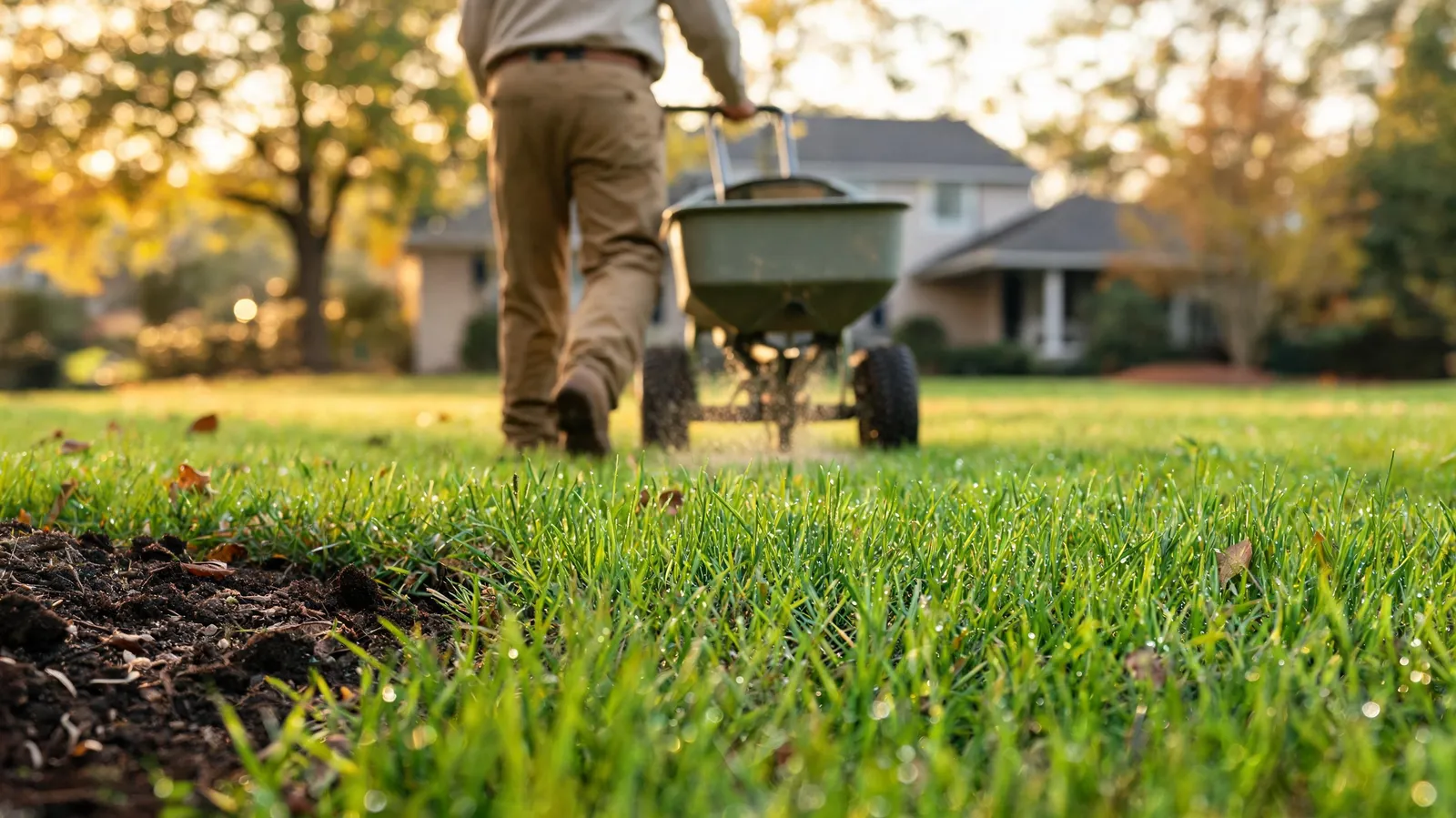
Fall pre-emergent goes down in South Carolina when soil temperature hits 70°F and is falling - that's late September in the Upstate and mid-October along the coast. Miss that window and poa annua wins. This one product application is the difference between a clean lawn in February and a lumpy carpet of winter weeds you can't spray away.
The target is the same statewide, but the calendar isn't. Greenville cools weeks before Charleston. So watch the soil, not the wall calendar.
When should I apply fall pre-emergent in South Carolina?
Put it down when soil temperature at 2 inches drops to 70°F and keeps trending down. In the Upstate that's usually the last week of September. On the coast it slides to mid-October. University turf programs peg 70°F falling as the trigger for poa annua germination, so you want the barrier set before the soil gets there.
The move is to apply a few days ahead of 70°F, not after. Pre-emergent doesn't kill weeds that already sprouted. It forms a chemical barrier in the top layer of soil that stops seeds as they germinate. If you wait until you see the first green poa blades, you're already late.
Check live soil temperature for your ZIP at https://www.lawntide.com/lawn so you're not guessing.
Does air temperature matter here? Not much. Soil holds and releases heat slower than air, so a cool snap in mid-September doesn't mean your soil is ready. A 2-inch soil reading is the only number that counts.
Why 70 degrees, and what am I stopping?
At 70°F and dropping, winter annual weed seeds break dormancy. The big one is annual bluegrass - poa annua - but it travels with a crowd. Getting the barrier down before germination stops all of them at once.
Here's what a fall pre-emergent application targets in South Carolina:
- Poa annua (annual bluegrass) - the main event, germinates hard at 70°F falling
- Henbit - purple flowers in late winter
- Common chickweed - low mats in cool weather
- Annual ryegrass - volunteer clumps
- Corn speedwell - tiny blue flowers, spreads fast
- Hairy bittercress - the one that flings seeds when you pull it
- Lawn burweed (spurweed) - the sticker that hurts bare feet in spring
Lawn burweed is worth calling out. If you've ever stepped on painful spiny burs in April, that weed germinated in fall and you can only stop it now. Come spring, it's too late.
What's the timing difference between Charleston and Greenville?
Roughly three to four weeks. Greenville soil crosses 70°F in late September; Charleston holds warmer into mid-October thanks to the ocean and lower elevation. Columbia and the Midlands land in between, usually the first week of October.
Here's the state broken down by region:
| SC Region | Cities | Typical 70°F soil window | Application window |
|---|---|---|---|
| Upstate | Greenville, Spartanburg, Anderson | Late September | Sep 22 - Oct 5 |
| Midlands | Columbia, Aiken, Sumter | Early October | Oct 1 - Oct 12 |
| Pee Dee | Florence, Darlington | Early-mid October | Oct 5 - Oct 18 |
| Lowcountry / Coast | Charleston, Beaufort, Hilton Head | Mid-October | Oct 12 - Oct 28 |
| Grand Strand | Myrtle Beach, Conway | Mid-October | Oct 12 - Oct 28 |
If you're in Greenville over the last weekend of September, you're right on time. If you're in Charleston that same weekend, hold off two to three weeks - your soil is still in the mid-70s and the product will start breaking down before the seeds even wake up.
Note: High-elevation spots near the North Carolina line (think Caesars Head, Table Rock) run a week or more ahead of the rest of the Upstate. Cooler nights pull soil temps down faster up there, so lean toward mid-September.
Which pre-emergent should I use on warm-season grass?
Most warm-season lawns in South Carolina tolerate the common fall pre-emergents well. Prodiamine, dithiopyr, and pendimethalin are the standard active ingredients. Match the product to your grass and follow the label rate - never guess on amount.
A quick rundown by lawn type:
- Bermuda - handles all three actives well; fully dormant by mid-fall so no stress risk
- Centipede - use prodiamine or pendimethalin; centipede is sensitive, so stick to label rates exactly
- Zoysia - tolerates the standard products fine
- St. Augustine (coastal) - be careful; some pre-emergents can thin it. Check the label for St. Augustine clearance before applying
Prodiamine gives the longest residual, which matters in fall because you want the barrier to last through the whole germination window.
Should I water it in? Yes. Most granular and sprayable pre-emergents need about a half-inch of water within a day or two to move the product into the soil where it works. A rain in the forecast does the job for free.
Do I need a second application?
Usually, yes. Poa annua germinates over a long stretch - not all in one week. A single fall application starts breaking down after 8 to 12 weeks, which leaves a gap by mid-winter. A split program covers the whole season.
The standard approach: first application when soil hits 70°F falling, second application 6 to 8 weeks later. So an Upstate lawn treated October 1 gets a follow-up around mid-November. A Charleston lawn treated October 20 gets its second pass in early December.
Split rates matter here - each application uses a portion of the season-long rate, not a full dose twice. The product label spells out the split. Don't freelance it.
What if I already missed the window?
If poa annua has already sprouted, pre-emergent won't touch it - that barrier only stops seeds. At that point you switch to a post-emergent labeled for poa annua on your grass type, and apply while the weeds are still small. Then get back on schedule next fall.
Even a late pre-emergent has value, though. Poa germinates in waves through fall and early winter. Laying the barrier down in early November still stops the later flushes even if the first wave got through. Late is better than skipping.
FAQ
Can I put down fall pre-emergent and grass seed at the same time?
No. Pre-emergent stops all seeds from germinating, including grass seed, so the two cancel each other out. Warm-season grasses like bermuda and centipede aren't seeded in fall anyway. If you overseed with ryegrass for winter color, you have to skip pre-emergent that year or you'll block the ryegrass too.
What soil temperature triggers poa annua in South Carolina?
Annual bluegrass germinates when 2-inch soil temperature drops to about 70°F and continues falling. That's the number university turf programs use as the pre-emergent trigger. Apply a few days before your soil reaches it so the barrier is set when seeds try to germinate.
Is October too late for pre-emergent in the Upstate?
In Greenville and Spartanburg, early October is right at the edge but still workable - soil crosses 70°F around late September, so you're a bit behind but the later germination flushes are still ahead of you. By late October in the Upstate, you're better off planning a post-emergent instead.
How long does fall pre-emergent last?
Most products give 8 to 12 weeks of control depending on the active ingredient, rate, and rainfall. Prodiamine lasts longest. Because poa germinates over a longer stretch than that, a split application - one in fall, a second 6 to 8 weeks later - covers the full winter weed season.
Stop guessing the timing — we'll watch your soil for you.
See your live soil temperature and this year's treatment windows for your ZIP, free.
Or get free email alerts — one plain-English email the week each task is due.

Every guide above comes down to your local soil temperature — see the live number and this year's windows for your city: